'When experiences are easier to understand, they work better for everyone'
From pronoun badges to silent spaces and smarter room layouts, Lemon Lane’s Lucy Francis argues that accessibility isn’t a costly add-on - it’s a commercial advantage.

We believe in creating experiences that resonate at Lemon Lane. That means thinking deeply about the people in the room; why they showed up, how much content they can absorb and whether they crave connection or a quiet moment.
The thread running throughout is accessibility - making sure everyone can engage with the event in the way that works for them. Because when everyone can access the moments that matter, events deliver what you’re paying for; stronger participation, richer conversations and measurable outcomes.


Lucy Francis
Lucy Francis
Our clients care deeply about inclusivity, but they’re also honest about the hurdles they face to get there, and that’s where the conversation needs to start.
“Accessibility is expensive” is one of the barriers that we keep hearing. But in our experience, the real cost comes when it’s left until too late. When we build accessibility into early planning, most adjustments are small, straightforward.
Take water stations; not too long ago, they felt optional. Now they’re just expected.
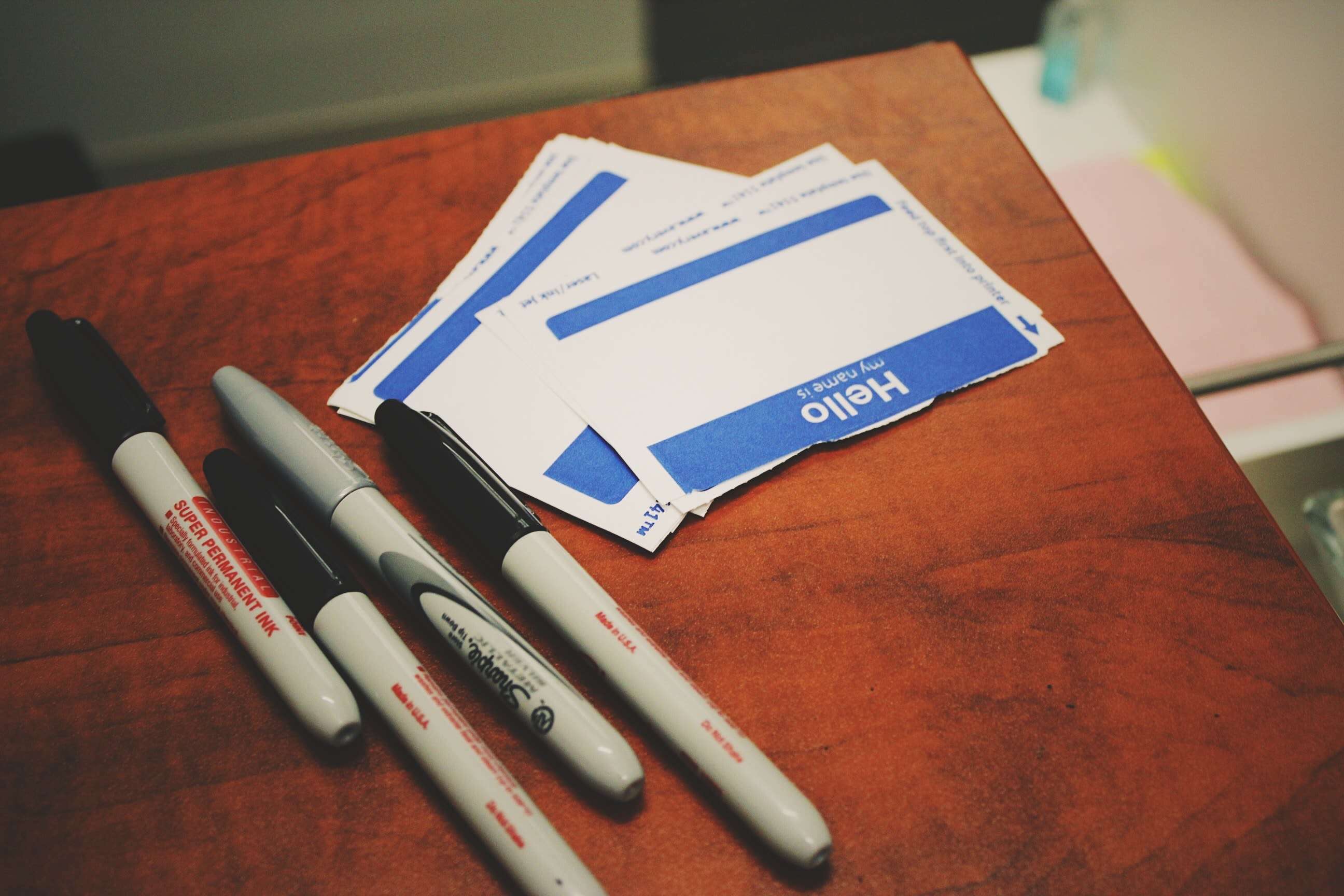
Another concern from clients is “What if we get it wrong?”. We get it, no one wants to make a mistake - but often, it’s the small details no one thinks about, until you walk through the day from an attendee’s perspective: name badges with pronoun options, sensory quiet areas, handshake-to-hug interaction choices.

Working with Mars Pet Nutrition, we swapped lanyards from hip to chest height - a tiny change that made name badges visible in conversation without people having to awkwardly lean in or look down.
For monday.com, we positioned main signage at varying heights so people could navigate independently without having to ask for directions.
“Is it worth it?” is also a question that comes up. Our answer is: 100 per cent yes! The idea that accessibility and commercial outcomes are separate is outdated. What we see, event after event, is that when experiences are easier to navigate and understand, they work better for everyone. People participate more meaningfully and the brand experience grows stronger.

Working with clients, we talk about this as a journey along a path of good, better, great; one that shows where the industry’s heading and what’s achievable right now.
‘Good’ starts with removing friction. Most of the industry starts here, by providing clear pre-event information, step-free routes, easy navigation on the day, captions on presentations and natural pauses in the agenda so people can breathe.
‘Better’ focuses on meeting rising expectations. This might include layouts that cater to different neurotypes and networking formats for varied social styles.
For Small Luxury Hotels, for instance, we set up simultaneous translation booths with headsets for Mandarin and Japanese speakers, allowing guests to follow presentations in real time and contribute to conversations without language barriers.


And ‘great’ is the level when guests no longer notice the individual measures. We call this inclusive identity. Guests simply feel welcome. It includes real-time multilingual environments and diverse representation across staff and stages. For example, working with monday.com, we used furniture of different heights and designed fire lanes specifically with wheelchair users in mind.
Starting early makes all the difference. When accessibility forms part of the first conversation, it becomes a natural part of planning rather than something we’re trying to bolt on (or put right) later. Designing events through a DEIBA lens (Diversity, Equity, Inclusion, Belonging and Accessibility) means decisions are clearer, budgets go further and teams feel more confident. After all, if an event isn’t hospitable to all, it isn’t truly hospitable.
Watch or listen to The Meeting Room episode on accessibility for event professionals who are deaf or hard of hearing. Turn it down - why your event is too noisy | Meetings & Incentive Travel
YouTube: https://youtu.be/WNJIdt958wc
Spotify: https://open.spotify.com/episode/40E8fNnSYGfsFWRvx76xqw?si=H3X1faLsQLGvVGbq9c0vfg