
Access granted
Rose Griffiths, event producer at emc3, reveals her dos and don’ts for unlocking inclusion and creating accessible experiences.
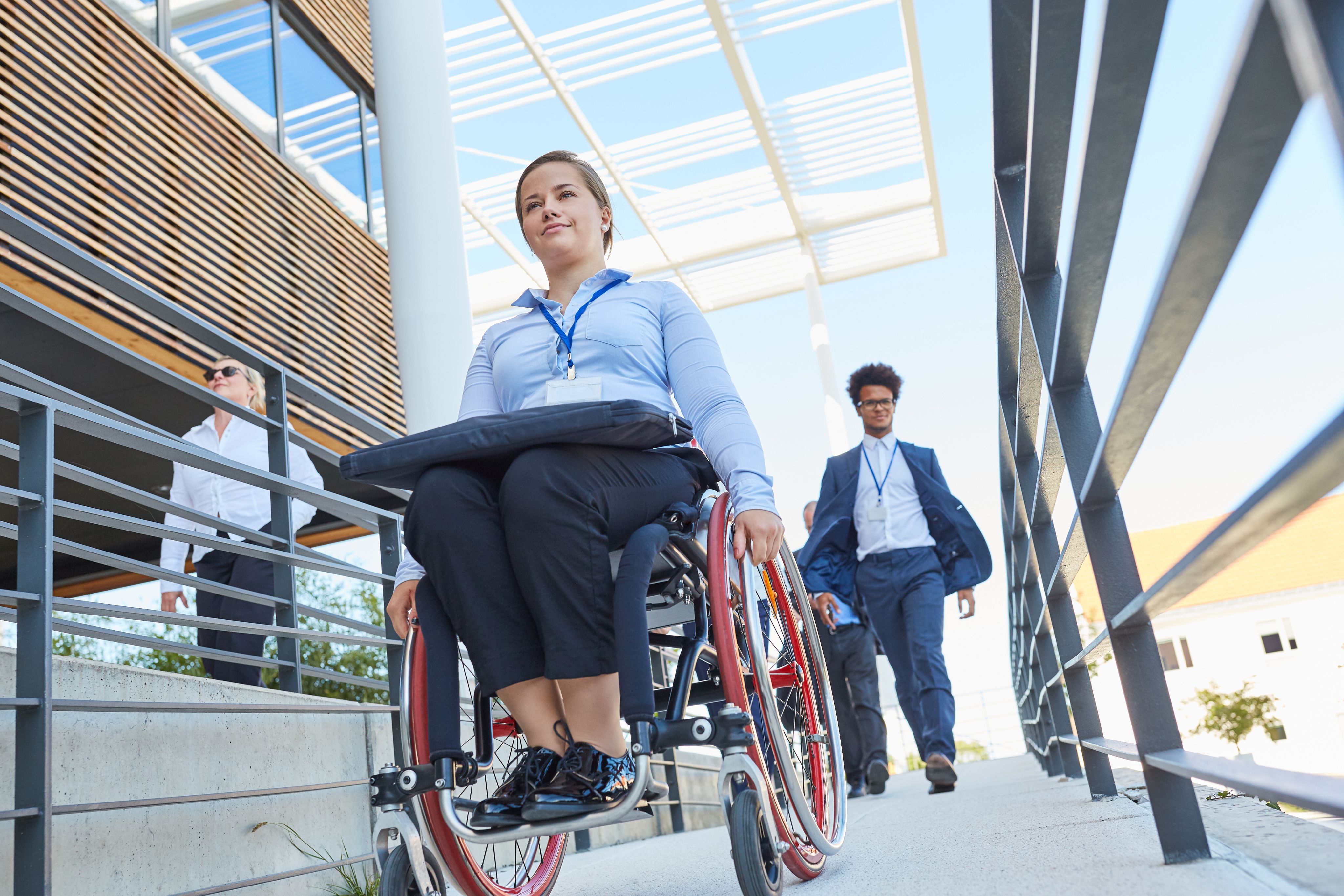

When considering sustainability, our focus often gravitates towards environmental concerns. But holistic sustainability encompasses more than this, it includes accessibility, inclusivity and wellbeing too.
The events industry has made significant strides recently, especially in terms of its environmental impact, but when it comes to prioritising the people element of our experiences, there is still much work to be done.


Rose Griffiths
Rose Griffiths
Taking a little extra time to plan for the comfort and inclusion of different requirements in advance doesn’t just help those with additional needs, it enhances the overall satisfaction and retention of your wider audience.
I’ve compiled my top dos and don’ts to consider when thinking about accessibility and inclusivity at your next event.
By following these principles we can create events that prioritise the attendee experience and foster a more welcoming and accommodating experience for all.
Venues
Do
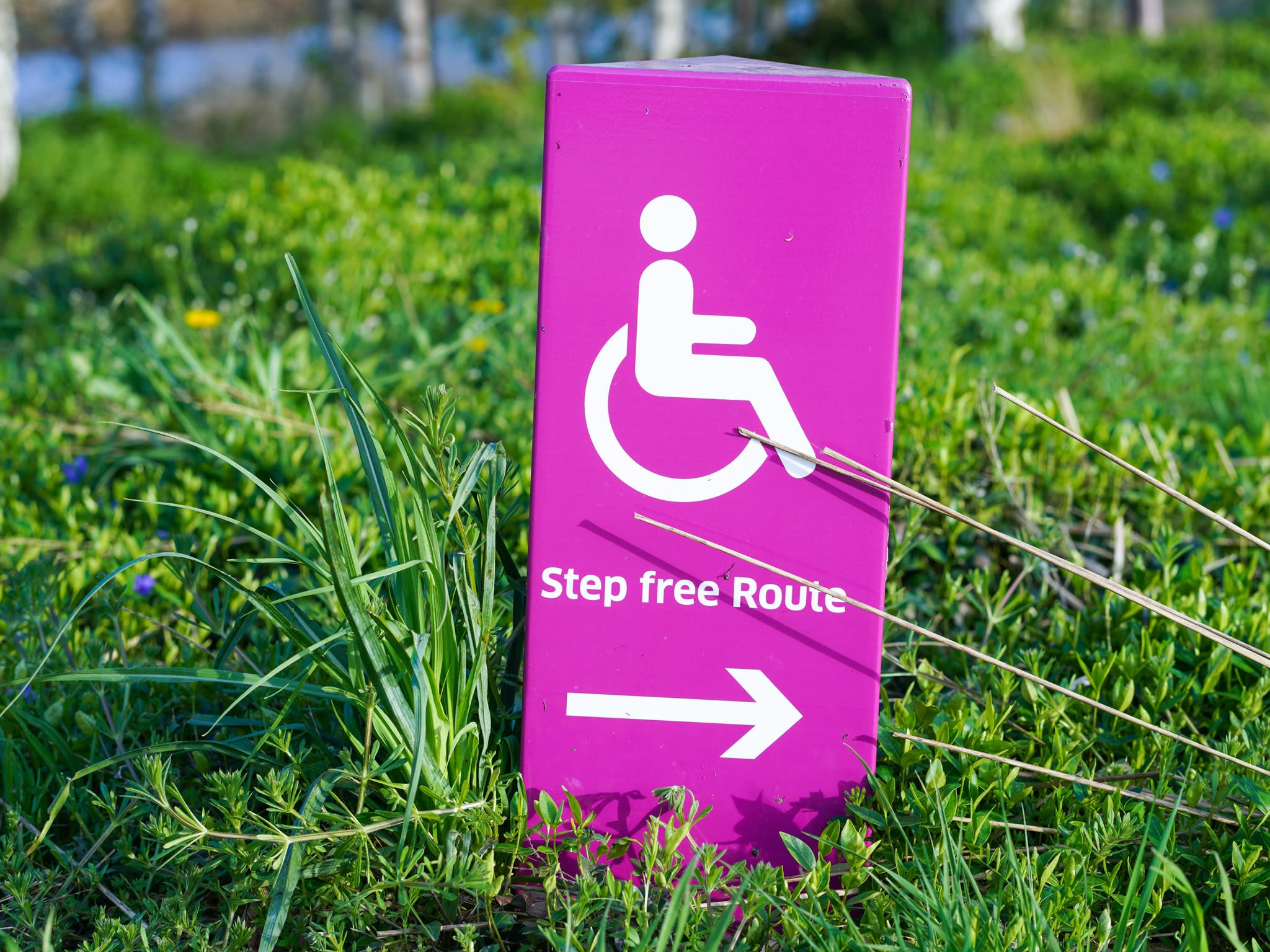
Provide your attendees with detailed venue information pre-event.
Ensure that access routes and accessibility infrastructure (including bathrooms, quiet spaces and prayer rooms) are included.
Provide in-depth training. Ensure your team understands the venue layout, accessibility features and points of contact for additional needs.

Photo by the blowup on Unsplash
Photo by the blowup on Unsplash
Don't
Overlook the importance of your attendees’ journey to the venue.
Does the venue have good local transport links? Does the local taxi company cater for wheelchair users?
Forget to check bathroom access. For some venues, RADAR keys may be required to access these spaces.
Marketing and communications
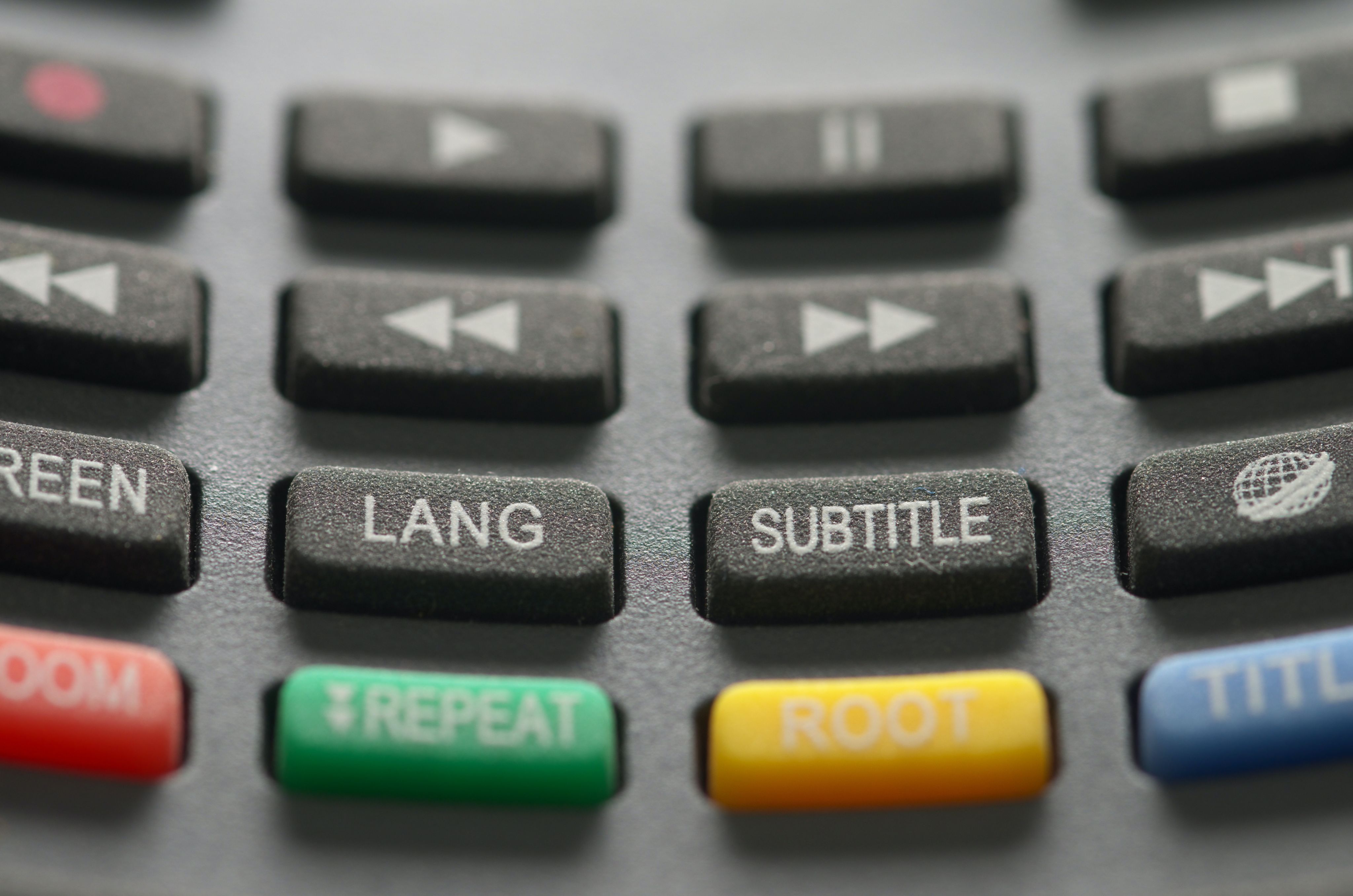
Photo by Immo Wegmann on Unsplash
Photo by Immo Wegmann on Unsplash
Do
Follow the Web Content Accessibility Guidelines (WCAG).
This will ensure you are providing a user-friendly digital experience for all.
Provide captioning, alt text and transcriptions.
Ensuring your content is inclusive and accessible.
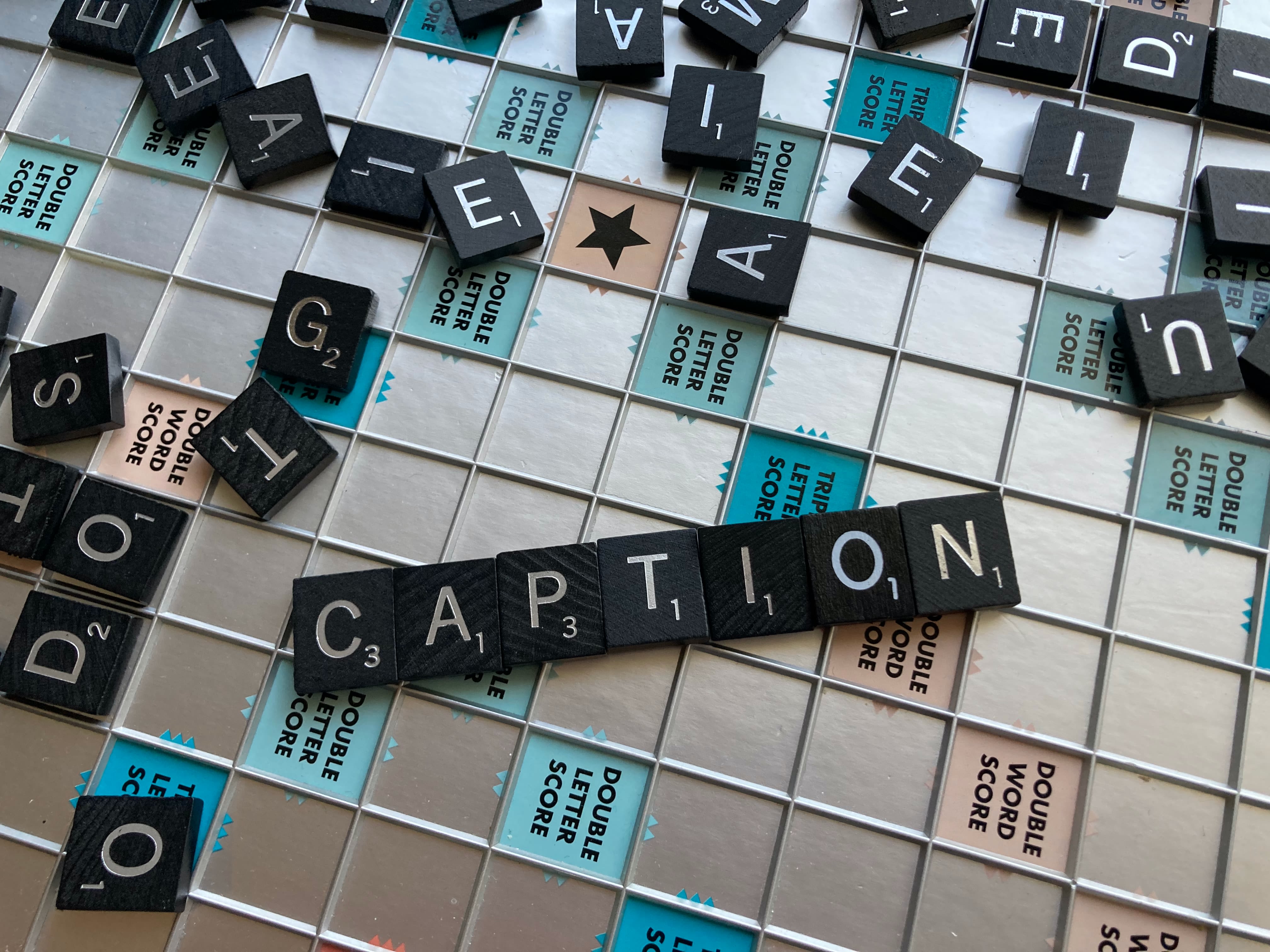
Photo by Monica Flores on Unsplash
Photo by Monica Flores on Unsplash
Don't
Forget to collect accessibility accommodations from your digital audience. This may include: captioning, copies of event content pre-event, early access for familiarisation and sensory tracks.
Prioritise AI captioning.
Although it often has less lead time and is cheaper, the inaccuracy can have a huge impact on attendee experience. Where possible, always use human-generated captioning.
Food and beverages
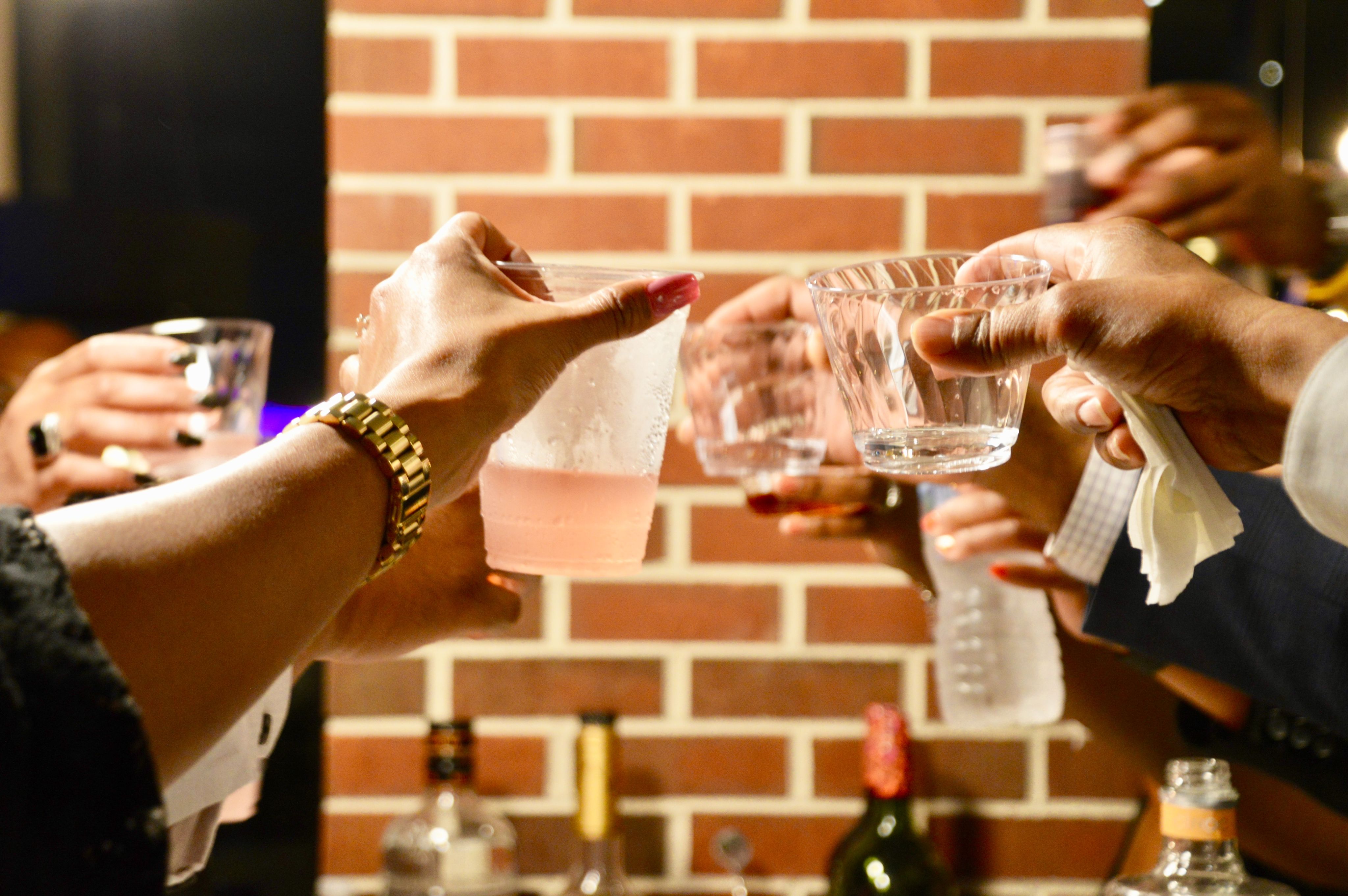
Photo by Andra C Taylor Jr on Unsplash
Photo by Andra C Taylor Jr on Unsplash
Do
Offer a creative non-alcoholic drink menu. Think far beyond fizzy pop and orange juice, get creative with it!
Clearly label your food. Provide as much information as possible to allow your attendees to make informed choices.
Photo by Taylor Vick on Unsplash
Photo by Taylor Vick on Unsplash
Don't
Have fixed-height food displays. Consider options that are inclusive for wheelchair users.
Overlook the importance of seating. Provide plenty around the event space, particularly in F&B areas including drinks receptions.
Event Experience

Do
Carefully plan your content and agenda.
Providing a range of session types and lengths and adding frequent breaks.
Ensure you provide quiet spaces.
These are relaxing area zones that should be laptop-free zones and staffed where possible to ensure safety. *Note: check out EventWell for support with your quiet spaces.
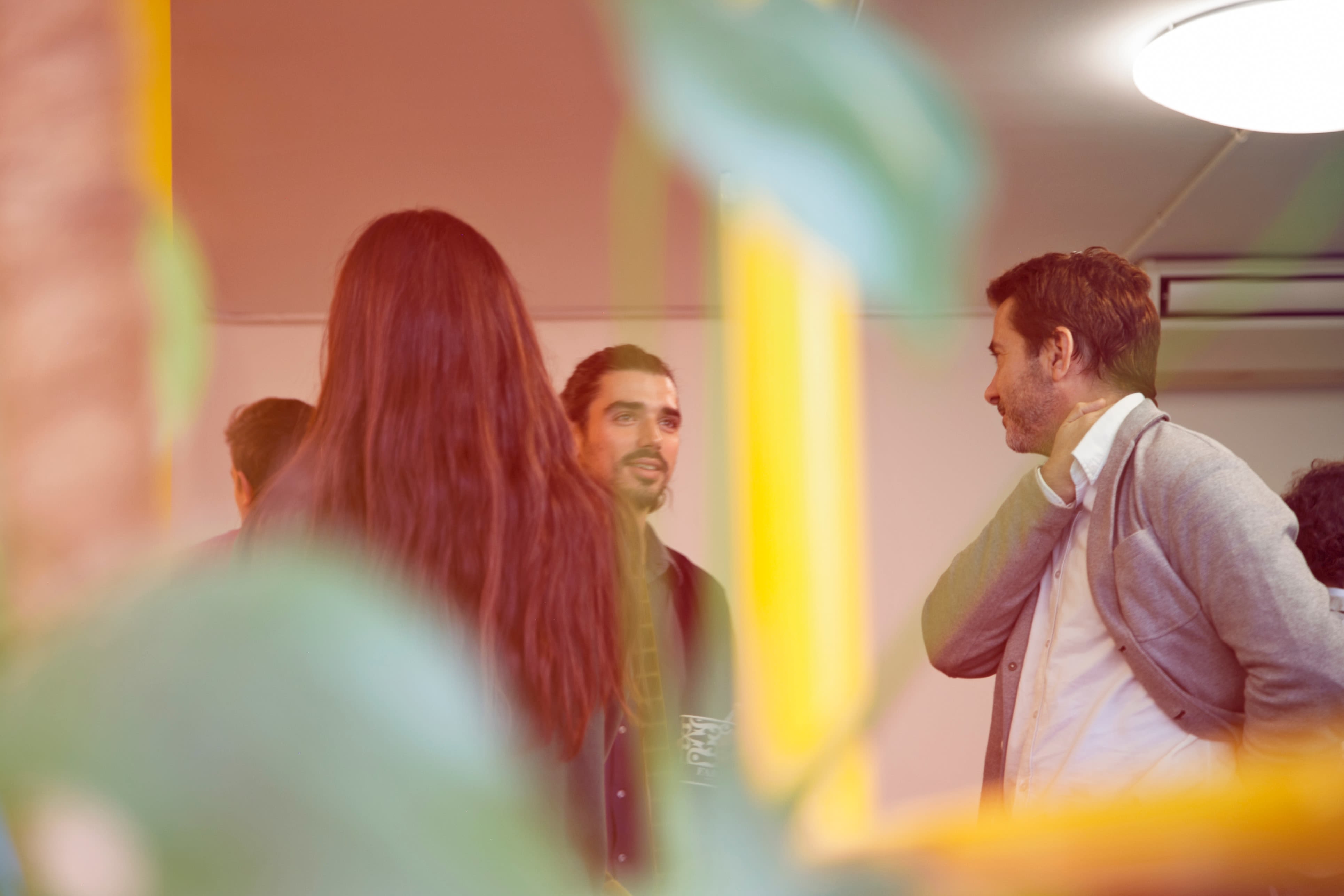
Photo by HIVAN ARVIZU @soyhivan on Unsplash
Photo by HIVAN ARVIZU @soyhivan on Unsplash
Don't
Centre experiences solely around alcohol.
Consider networking that incorporates activities and activations without the reliance on alcohol for conversation.
Provide accessibility-specific activities.
Instead, try to make sure all your activities and engagements can be adapted for a diverse audience.
 Built with Shorthand