
International Women’s Day
‘We can’t wait 133 years for gender parity’

The theme for International Women’s Day this year is 'Accelerate Action'.
At the current rate of progress, it will take until 2158, which is roughly five generations from now, to reach full gender parity, according to data from the World Economic Forum.
According to the Global Gender Gap Insight Report 2024, the United Kingdom ranks 14th overall for gender parity and 11th in Europe. Iceland, Finland and Norway top the table, while Pakistan, Chad and Iran end the list.
Nevertheless, the UK has fallen from 17th to 18th in PwC’s Women in Work Index, down from 10th in 2020 - the most significant post-pandemic decline among OECD countries. The sluggish pace of progress regarding women’s earnings compared to men’s suggests that closing the gender pay gap could take more than 30 years at the current rate.
While the events industry is female-dominated numerically, research shows it continues to have a persistent ‘glass ceiling’ in relation to women’s representation at senior leadership levels.
So, do we still have a gender parity issue in the events industry? This is what nine female event professionals think...
"With full gender parity still estimated to be five generations away, my heart aches for my daughter and young girls everywhere"
Kathryn Winfield, general manager, The Mermaid London
Disappointingly, gender parity is absolutely a problem within the events industry. While vital programmes such as Fast Forward 15 do an incredible job of helping to empower women, support their progression, and advocate for the crucial skills, knowledge and experience they contribute to the sector, sadly, this isn’t enough.
Much more encouragement and empowerment are needed if we are to equalise the gender pay gap and build women’s confidence in applying for higher roles. For this to happen, organisations must invest in development opportunities for female employees, including internal mentoring schemes, training programmes and self-development resources. Organisations also need to ensure they are transparent with salary brackets and, critically, commit to paying women and men the same pay for the same role.
Imposter syndrome is still very real. Without genuine, comprehensive and demonstrable support and encouragement underpinned by investment, I’m sad to say that we won’t achieve gender parity.


Kathryn Winfield
Kathryn Winfield
Sarah Donohoe, national sales manager conference and events, North West, Jockey Club Venues
I believe the business events and hospitality industry has made significant strides in increasing female representation in leadership roles. There is a strong presence of women in event planning, coordination, and management, and I am proud to be part of an all-female management team, with an all-female senior leadership team above me.
There is also growing support for women within the sector, such as female-only business networking groups, which provide valuable opportunities for mentorship, collaboration, and career progression. Additionally, there has been a noticeable increase in diversity among event speakers and panellists, reflecting a more inclusive approach. However, challenges remain, as they do in any industry. Systemic issues, such as work-life balance expectations, can make it more difficult for women to reach and sustain top leadership positions.
These barriers are not unique to hospitality but are certainly factors that influence gender parity at the highest levels. While it is difficult to predict an exact timeline, I do believe that the business events and hospitality industry is progressing at a faster rate than the general workforce. If the momentum of advocating for women in leadership continues—through mentorship, flexible working policies, and visible role models—the sector has the potential to reach gender parity much sooner than 2158.


Helen Bonser-Wilton, CEO, Leeds Castle
As a sector, we’ve made significant progress towards gender parity, with more women in the workforce and increasing salary equality. However, to accelerate change, we must continue to take meaningful action.
Flexibility is key—many women balance careers with family responsibilities and offering adaptable working arrangements will help retain and advance female talent. Pay parity must also remain a priority, ensuring that women receive equal salaries for equal roles. Beyond policies, workplace culture plays a crucial role. Women often thrive in collaborative environments, and encouraging inclusive leadership, mentorship, and development opportunities will be essential to breaking down remaining barriers.
This industry is built on people, adaptability, and innovation— qualities that position us well to lead the way in gender equality. By taking deliberate steps now, we can create a future where leadership at every level reflects true diversity and equality.

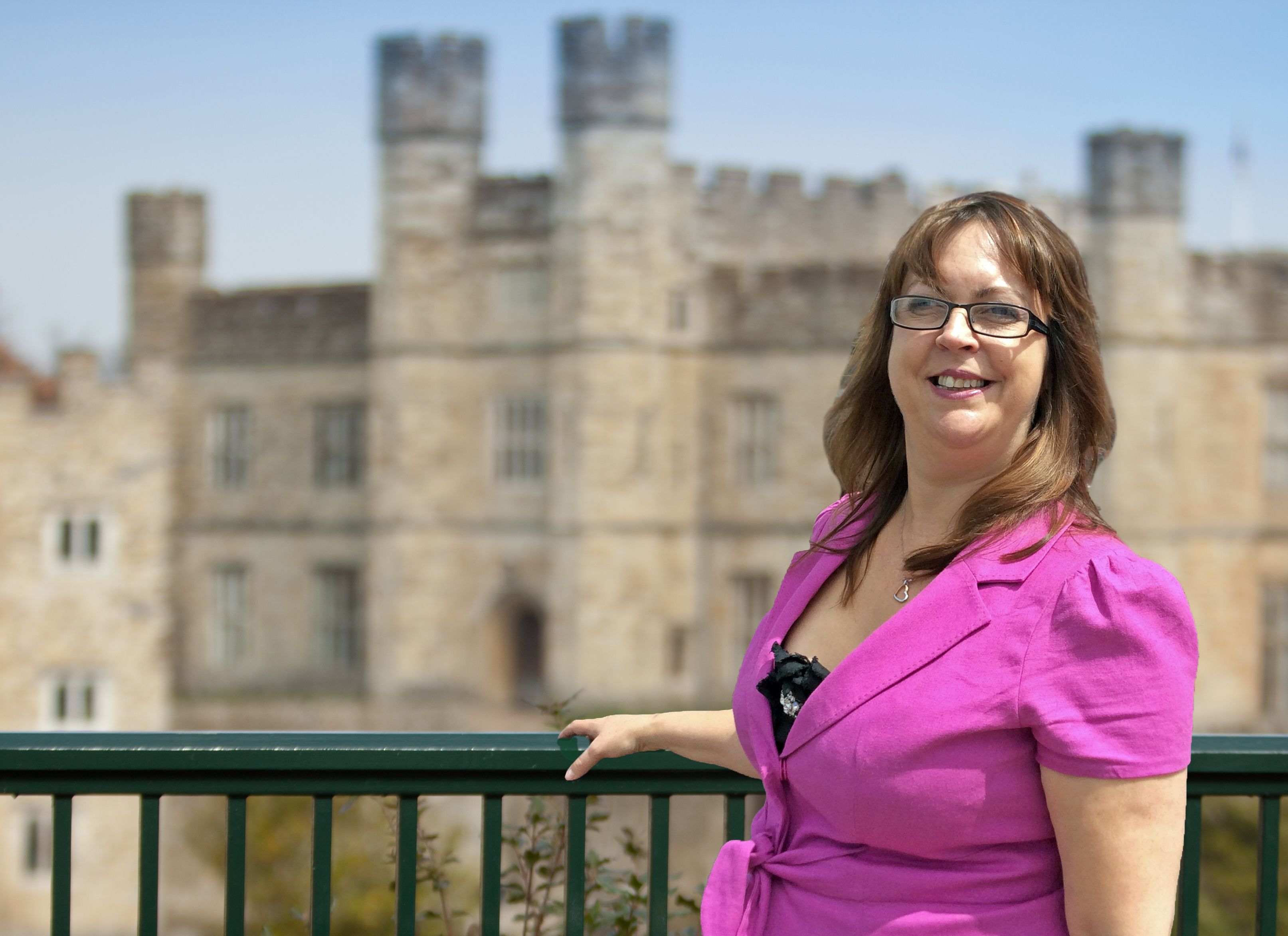
Stephanie Maurel, CEO at Church House Westminster, The Corporation of the Church House
I have hope that we will achieve full gender parity, but there remains much that we, as a sector, need to do to accelerate this change. This is a difficult journey, and one which we have been travelling on for a while now. And while there are a lot of women working in the events sector, few are in high-paid positions. By its nature, the sector demands long, unsociable hours, which can pose difficult barriers to overcome for many women.
Here are some of the actions I believe we need to implement to speed up our journey in reaching full gender parity within the events sector:
· Implement transparent pay equity policies to make sure that there is fairness across all roles. At Church House we review and benchmark all salaries externally every three years and also when there is a market change linked to certain roles. We have an annual pay review and bonus, which has trustee input and money is set aside should there be a need for a mid-year salary increase based on market need or change.
· Increase female representation in leadership roles - if you can't see it, it is hard to be it. We have a female CEO (me!), and we have two leading women, Marina, head of marketing and business development, and vedrana, head of operations, who have both been internally promoted. Vedrana is shortlisted in the UK Excellence Awards for Emerging Leader.
· Provide mentorship and sponsorship programmes— At Church House, all staff are offered access to coaching schemes – that includes me too! This focuses employees on development, and as a result,t we have just promoted two women within the events team.
· Address workplace culture and combat biases – creating a safe workplace where employees are both supported and valued is paramount. We ensure every employee has numerous check-ins, be it staff clinics, monthly 1-2-1s which ALWAYS start with a conversation on how the individual is, as well as our Wellbeing Days which are designed to break down barriers to create an open culture.
· Offer flexible working arrangements – It is hard to juggle a family and private life with events work. We plan as far in advance as we can to allow our staff to organise themselves, and we pay for taxis home when staff work late so that they always feel safe (we do the same for early starts). Unusually for the sector we offer a three-day in the office policy so staff can work from home when they are not running their own events, as well as supporting compressed hours.

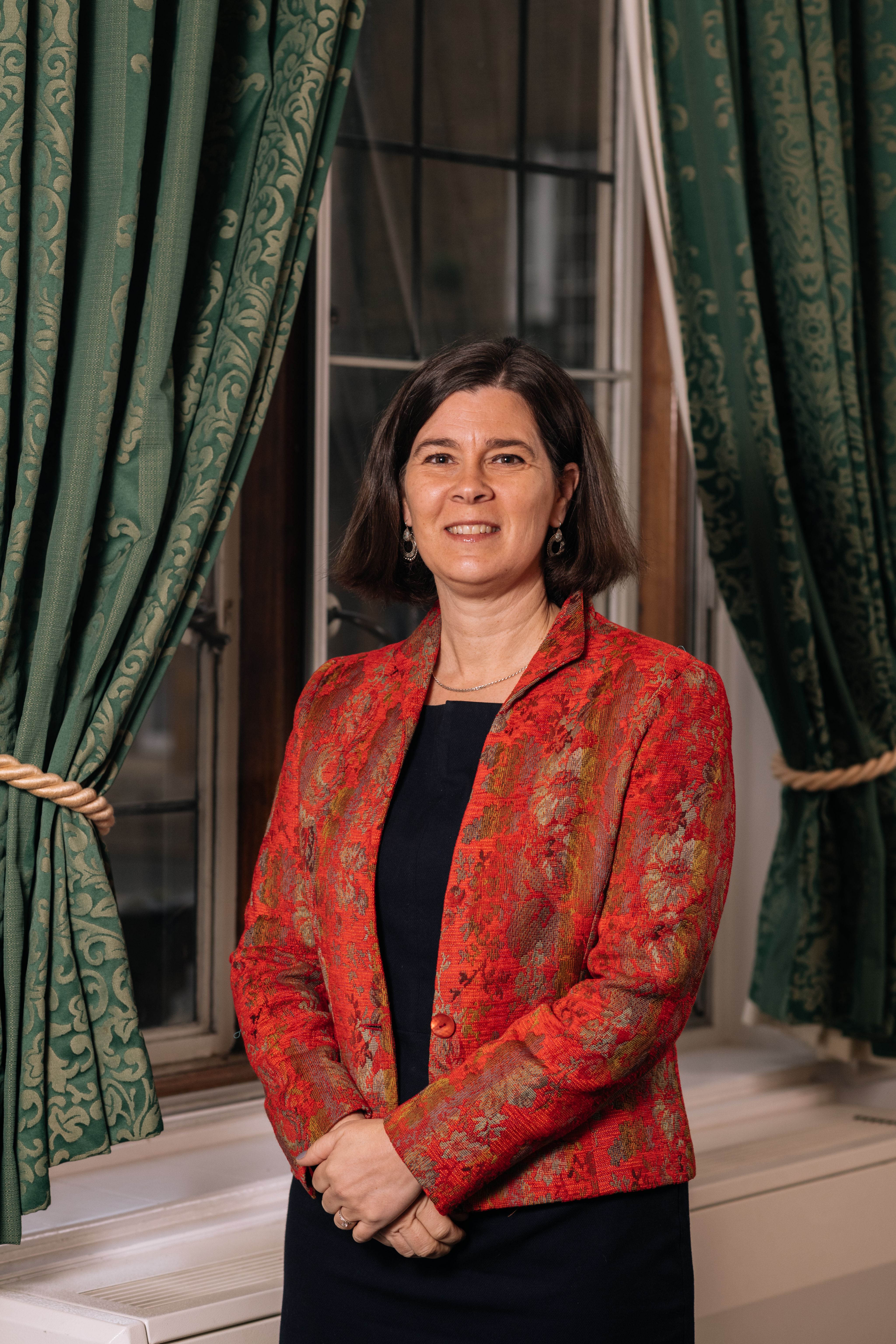
Katie Niland, commercial director at The Belfry Hotel & Resort
Unfortunately, there remains an imbalance of gender representation at the most senior levels in our industry, and until this is addressed full gender parity will not be possible. We have made significant progress at The Belfry, achieving a 50 per cent gender split in the executive team.
Having female role models in the highest positions works to not only dissipate gender bias but open doors to career support and tailored progression for women, as well as men. In my team, 77 per cent of the leadership is made up of women, yet I’ve had to convince many female colleagues that they are worthy and capable of thriving in the next level of seniority – I’ve never had to do that for the men in my team.
There is still a long way to go, for example our food and beverage team has no female head of department which shows women are still not getting equal access to the senior operational roles within the industry.
Without a more balanced gender split in senior positions, across the industry, we will not achieve fair career progression.

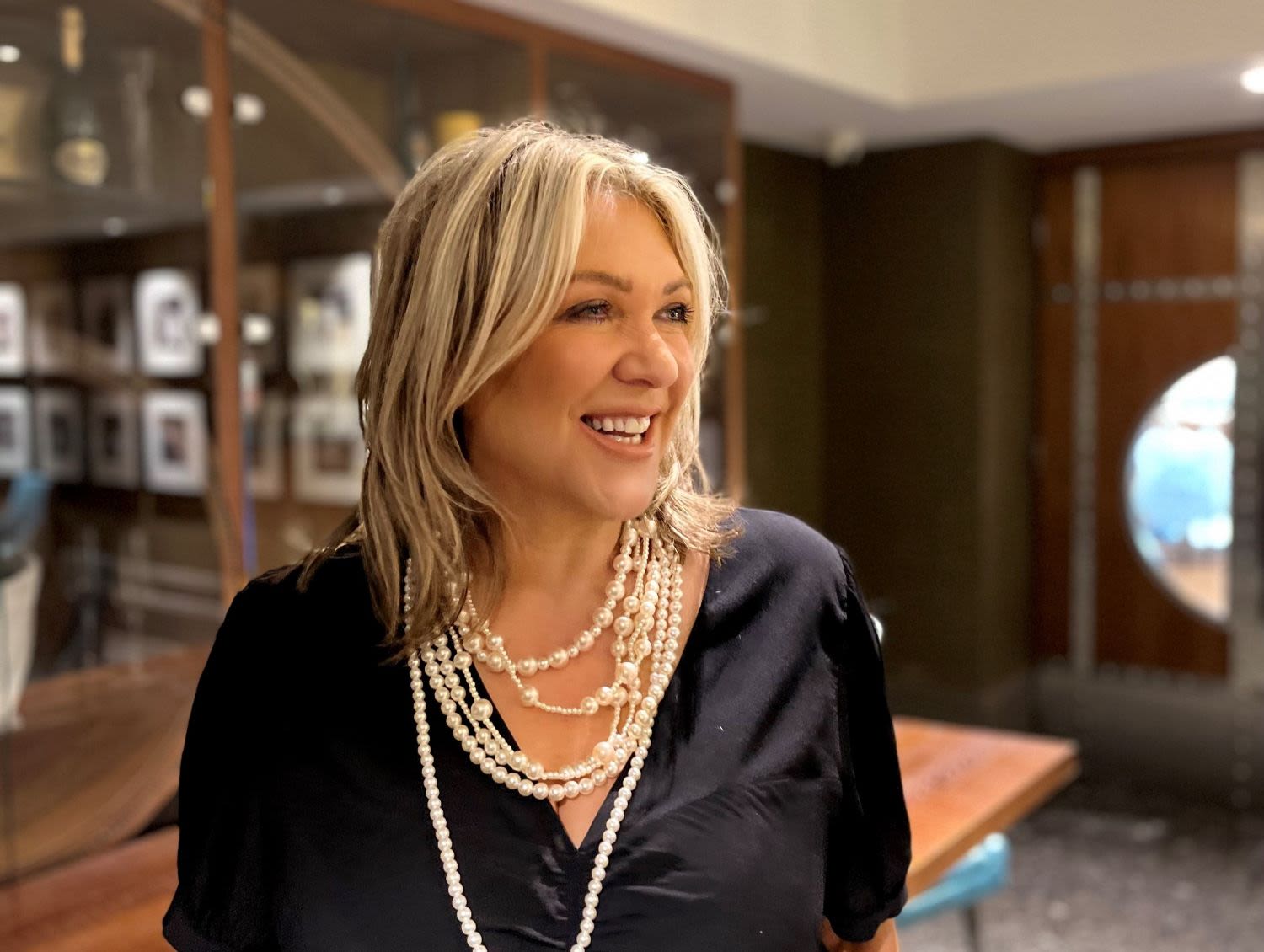
Rachel Phillips, regional sales director, The Celtic Collection
The hospitality industry has long been a place of opportunity, and I believe it has been more progressive than many other sectors when it comes to gender equality. At The Celtic Collection, we are proud to have a leadership team where women hold key positions, setting an important precedent for the industry.
However, progress cannot be taken for granted. We must remain proactive in championing women at all levels, ensuring that career development is accessible to everyone, and our team is a great example of providing opportunities for women across the age range. One of the key ways in which we can accelerate action is by amplifying the voices of women in our industry and by providing strong role models. By fostering a culture of inclusivity and encouragement, we can create an environment where women not only succeed but thrive in leadership roles.

Amy Phillips, head of sales, ICC Wales
The business events and hospitality sector has made significant strides in gender equality, but there is always more progress to be made. At ICC Wales, we are fortunate to work in an environment where female leadership is strong and well represented, demonstrating that opportunities exist for women to excel at the highest level. However, true equality requires ongoing commitment – from ensuring fair representation in leadership roles to challenging unconscious biases that still exist across the industry.
We must continue to invest in mentorship programmes, create clear career pathways, and foster inclusive workplaces where talent and capability are the sole determinants of success. Through these actions, we can drive meaningful change and ensure that gender equality is not something that takes generations to achieve.

Jodie Roberts-Ozturk - government functional standards executive, The QEII Centre
With full gender parity still estimated to be five generations away, my heart aches for my daughter and young girls everywhere who will continue to face challenges simply because they are female.
Soon, I won’t be able to shield my daughter from the harsh reality that gender can put her at a disadvantage. As a collective we must ask: Why does this persist? Unconscious bias remains deeply ingrained, and we must make a conscious effort to confront it. Challenging long-held narratives about gender roles is essential, and we must be unwavering in our pursuit of true equality.
The ‘Accelerate Action’ campaign is a powerful opportunity to drive progress at a faster pace for the next generation. It encourages organisations to reflect on how they can do better - both structurally and culturally - to advance gender parity. The QEII Centre and the wider events industry are leveraging cutting-edge technology to create bigger and better experiences. With this evolution comes an opportunity for women to thrive in STEM-related roles within the industry. However, without quality education and training, these technical positions will continue to lack female representation.
To break this cycle, we must actively support and encourage women and girls in traditionally male-dominated fields, starting with inclusive classrooms. Women and girls are just as capable as their male counterparts and must be equally represented. At the QEII Centre, I’m proud to be part of an organisation where three out of four directors are female, fostering a culture of equality, inclusion, and collaboration. But until this becomes the norm across all industries - enforced by businesses and supported by all genders - we must continue to accelerate our actions.

Angie Devi, sales office manager at IET Birmingham: Austin Court
While the events industry is made up of a predominantly female workforce, the leadership roles are mostly held by men. Unfortunately, in my experience, women remain underrepresented and there are still significant gender disparities in leadership roles and pay. The main challenges are that women face a glass ceiling in relation to representation at senior leadership levels and are often interrupted or spoken over by men in work meetings. Women in the events industry also tend to experience microaggressions, which can lead to burnout and a desire to quit. To overcome these issues the following needs to happen:
· Industry initiatives, such as mentoring programmes, need to be introduced to help address gender inequality.
· More men can take a more active role in advocating for equality at work.
· Collecting data on gender identity and ethnic origin can help identify areas for improvement.

Lauren Faraday, director of sales at 60 Great Queen Street
Gender parity remains a huge issue in the UK and the latest data from the World Economic Forum shows that we’ve still got a long way to go to ensure women are equally recognised in terms of opportunities and pay.
That said, it’s been promising to see growing female representation in the business events industry through senior appointments and more diverse event line-ups. I feel privileged to have had some fantastic opportunities in my career and I’m proud to work alongside a team full of talented women at 60 Great Queen Street.
There’s still important conversations to be had industry-wide, especially around inclusive workplace policies and addressing unconscious bias, as well as establishing more female-led mentoring programmes.
As the mother of two young daughters, I want to see gender parity a lot sooner than the predicted date of 2158 to eliminate barriers to them embarking on their future chosen careers. I think as an industry we’ve got to advocate for women and lead by example to ensure the necessary progress is made.



 Built with Shorthand