Listen up!
Being deaf in the world of meetings and events
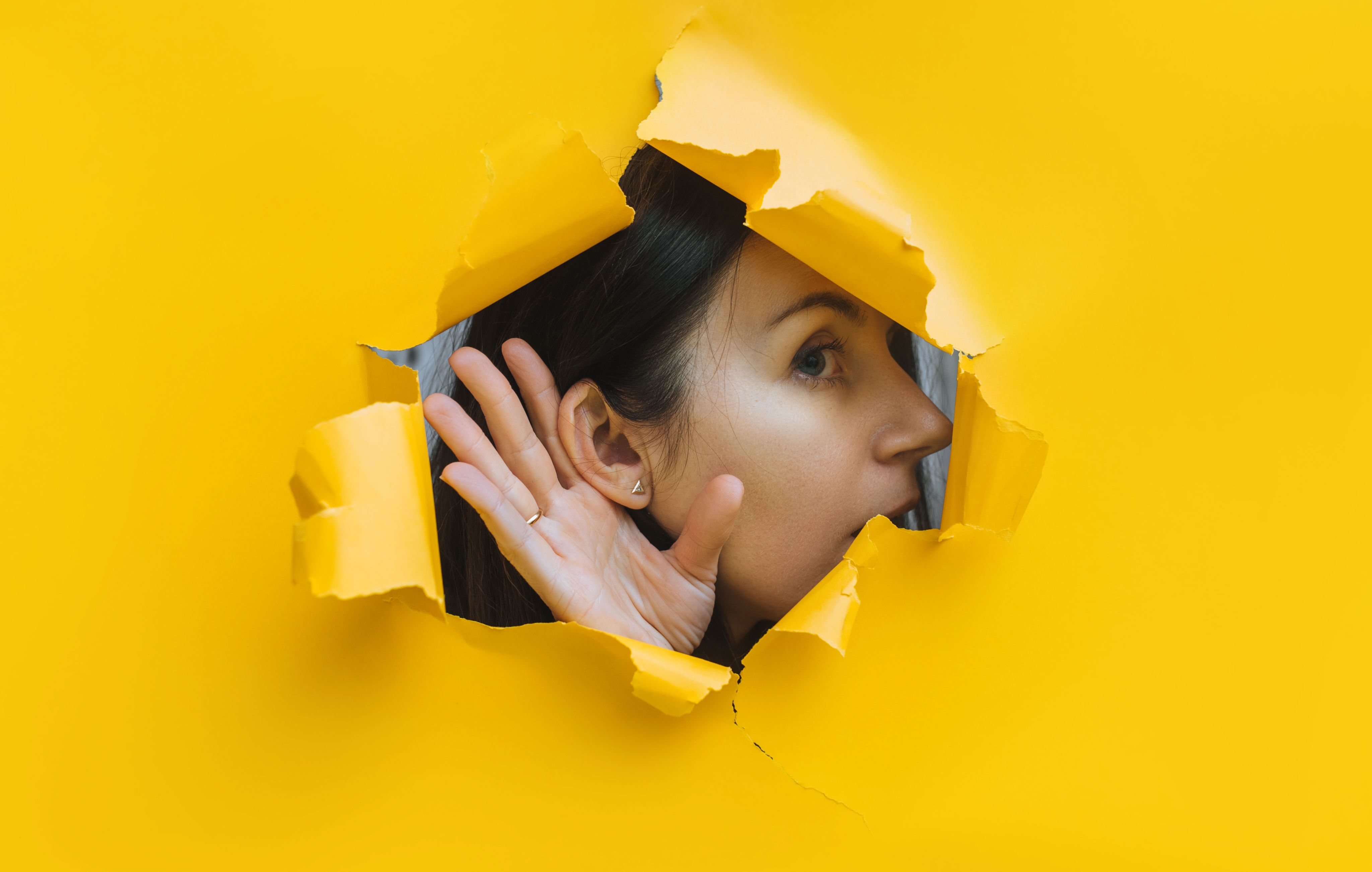

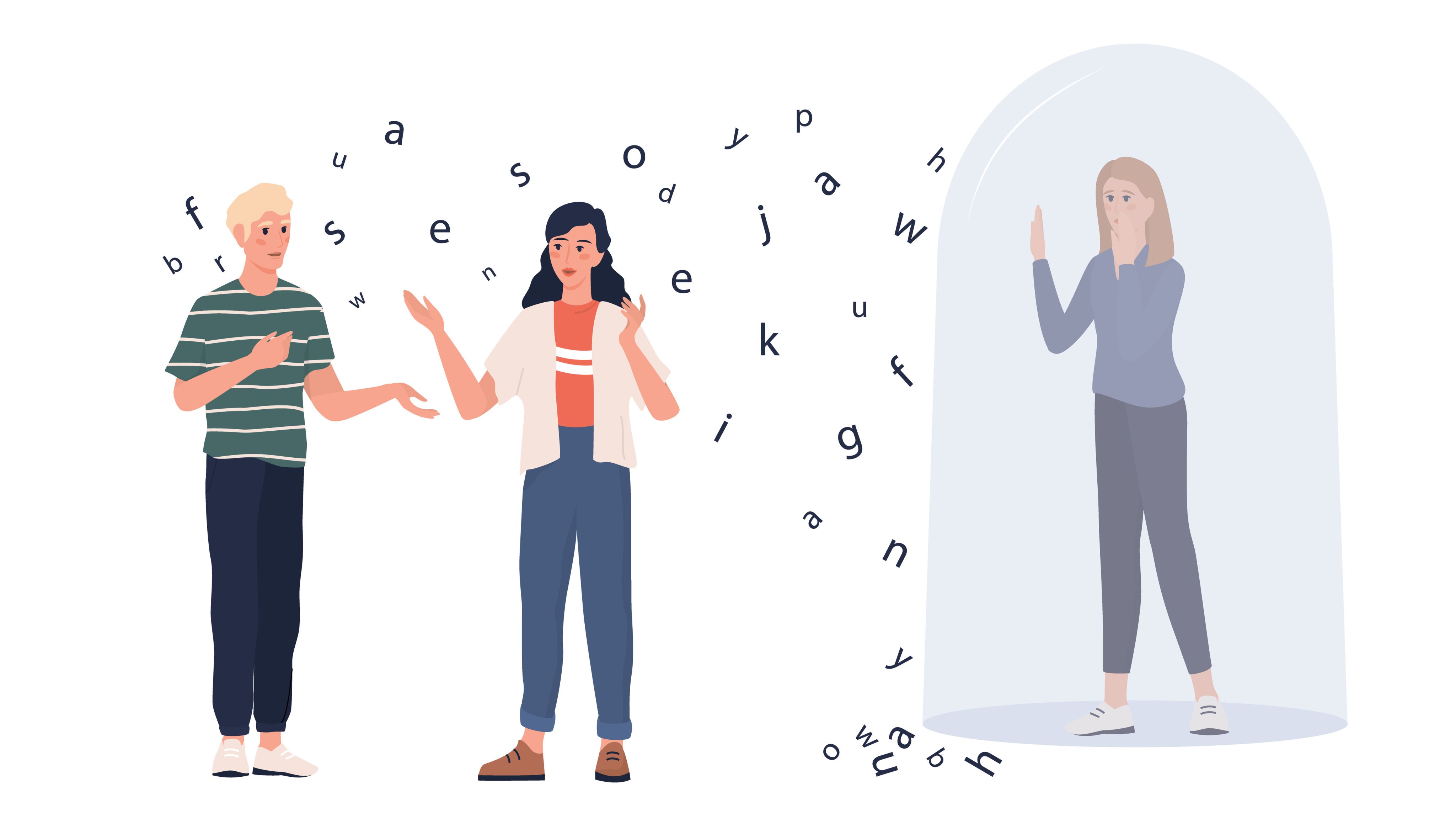
Have you ever stood in a group of people, listening to them laugh about an inside joke and you have no idea what they’re laughing at?
You smile politely, but you’re not really part of it. That feeling of being surrounded by people, but totally excluded?
That’s what it’s like to be deaf or hearing impaired in a world built for people who can hear.
My name is Jade Spencer, and I’m partially deaf. I grew up in a profoundly deaf family, living with one foot in the hearing world and the other in the deaf community.

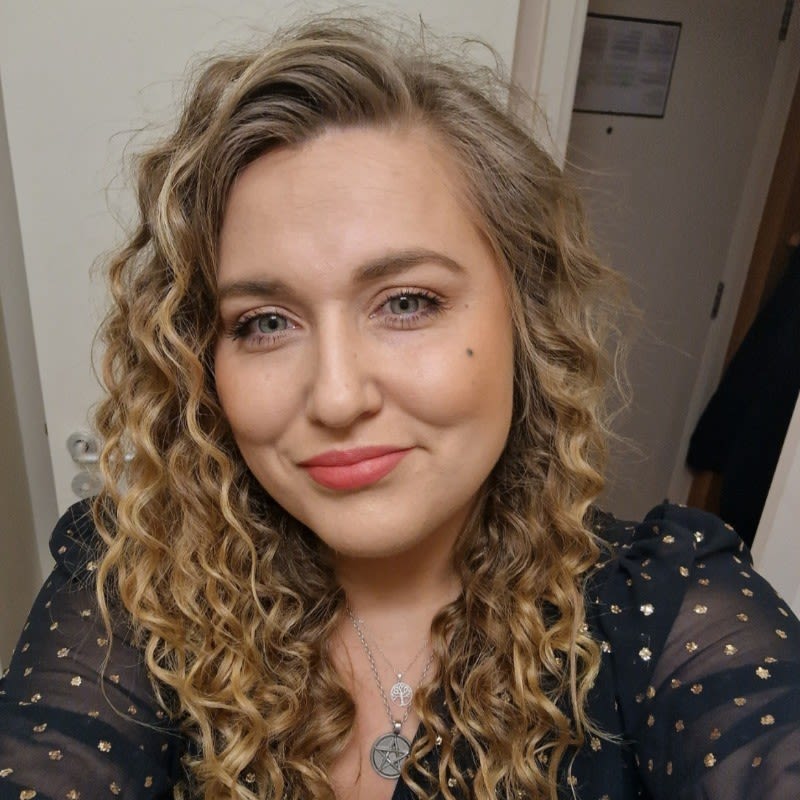
Jade Spencer
Jade Spencer
That duality has shaped the way I move through the world and through work. While the industry has made progress on inclusion, the focus is often on visible differences. Hearing loss is invisible, and because of that, it’s frequently overlooked.







What people don’t see (or hear)
Accessibility isn't just about ramps and lifts. There are barriers everywhere for someone who’s deaf or hard of hearing:
- At networking events, background noise makes it nearly impossible to hear the person standing next to you.
- On video calls when someone’s audio is poor or they’re softly spoken, you cannot hear them and have to switch on Closed Captions, just to follow what’s going on, but often it’s not accurate.
- At conferences, even with great AV, you can lose the thread if you’re seated with a noisy table or if the speaker turns their back.
- Lipreading is exhausting, especially with accents, poor lighting, patchy connections or when facial hair hides someone’s mouth.
- And yes, if you’re eating and talking with your hand over your mouth? That’s a whole chunk of conversation I’ll miss entirely.
Every day involves evaluating and adapting to environments that weren’t designed for people like me. And while we spend a lot of time in this industry thinking about sustainability, wellness, and compliance, accessibility often doesn’t get a mention—unless someone speaks up.
Even then, you can feel guilty or like you're being difficult just for asking for what you need. When a video is subtitled, I feel included. When the next one isn’t, I feel shut out again.
What needs to change
Inclusion should be baked into everything we do, not bolted on as an afterthought. That includes:
- Internal meetings – where captions are often forgotten and interpreters rarely considered.
- In-person events – where fast talkers, echoey rooms, and minimal visual support make it hard to follow along.
- Virtual platforms – where auto-captions fail to capture nuance, tone, or accuracy.
Did you know one in three adults in the UK has hearing loss, tinnitus, or are deaf? That’s a huge part of our audience, our teams, and our clients. And yet, many don’t feel safe enough to share their needs. They fear being judged, ignored or misunderstood.
As a mental health first aider, I’ve spoken to several colleagues who struggle with hearing loss but haven’t yet shared it with their managers. Often, it’s not due to a lack of support, but because the emotional weight — denial, frustration, even shame — can make it hard to open up. That’s why normalising these conversations is so important. Creating safe spaces means making it easier for people to speak up and get the support that’s already there for them.
Practical steps for everyone
This isn’t about perfection. It’s about progress. Here are some small actions that make a big difference:
- Turn on captions in every meeting.
- Speak clearly, enunciate and slow down — brief guest speakers to do the same.
- Use strong visuals to support spoken content.
- Book interpreters or captioners early for live events.
- Offer accessibility checklists to attendees.
- Don’t assume — ask what someone needs. Everyone’s needs are different.
- In big meetings, keep space at the front for lipreading and clearer audio.
- When presenting, face the audience. Use facial expressions and body language to support your message.
- Be an ally. Learn sign language. (There are great free British Sign Language Level 1 resources online.)
What inclusion really feels like
“You don’t look deaf.” “You don’t sound deaf.”
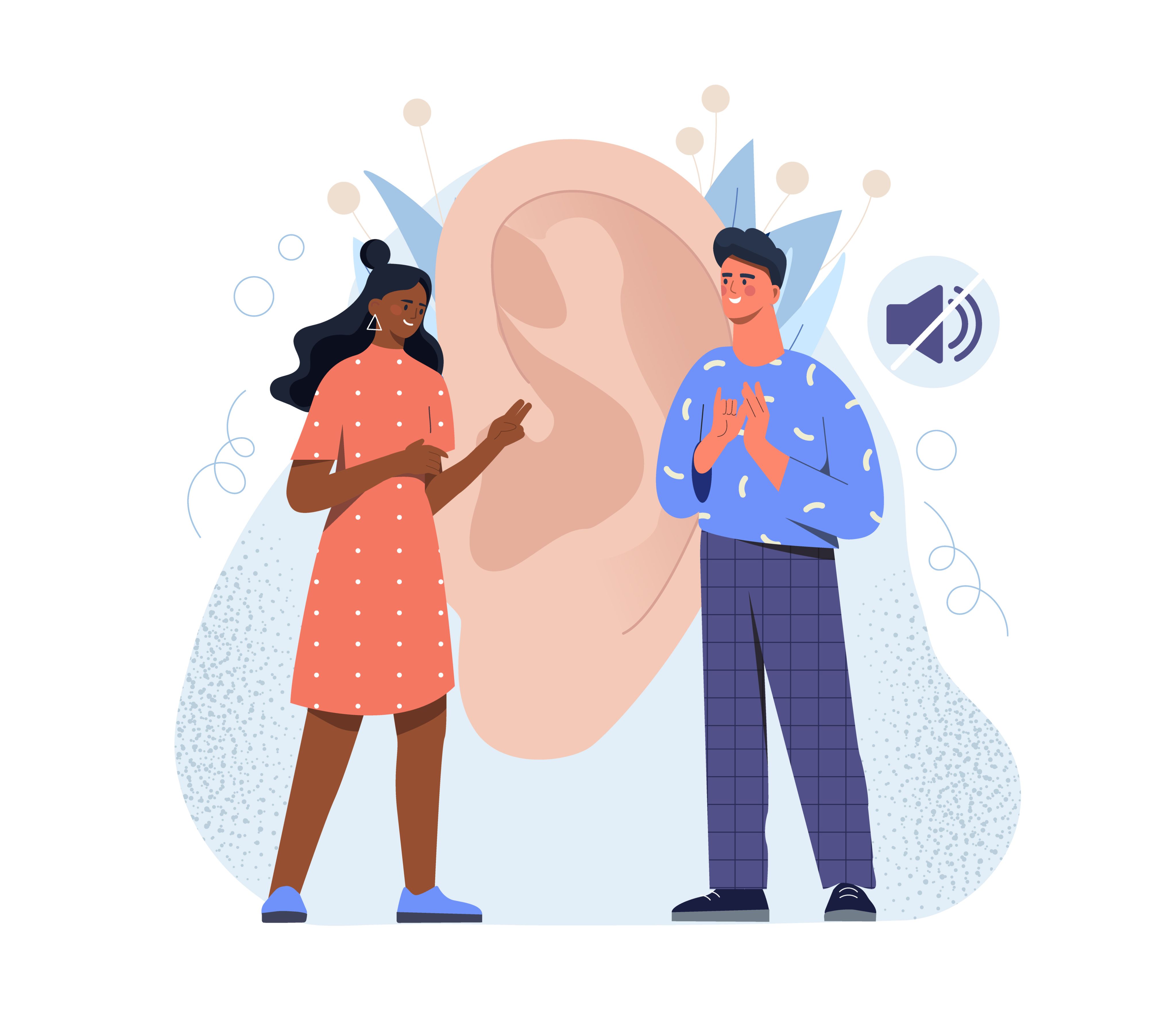
But deafness doesn’t have one face or one sound. Some people sign. Some speak. Some wear hearing aids. Some don’t. I personally don’t wear my hearing aids as they magnify sounds surrounding me and make it more challenging to pick up direct conversation.
Inclusion means recognising that diversity is broad, invisible as often as it’s visible, and always worth designing for.
As we’re becoming more mindful about health and wellbeing, neurodiversity and equality in the workplace. Let’s also put a huge emphasis on inclusion - whatever that may look like.
Jade Spencer, director of operations, BCD Meetings & Events
Jade Spencer recently ran a six-week Introduction to British Sign Language course for UK colleagues at BCD Travel and BCD Meetings & Events. The course was hugely oversubscribed, and Jade is now working with senior leaders to explore ways to expand the programme and raise greater awareness around deafness and inclusion.