
What does AI mean for disabled people and events?
Personal and executive coach Rachel Belliere-Wilson explores the effect that AI could have for disabled people in the sector

Artificial intelligence (AI) both excites me and scares me.
I’m excited about the opportunities it could offer to better include the disabled community within the events space. For example, where AI has been developed with disability as a leading thought - such as increased accuracy of screen-readers - it’s already making great positive impact.
And yet, I’m anxious about its potential to do completely the opposite through its power of deep learning. I’m worried that without human care and consideration, minority groups such as the disabled could simply be forgotten, as they may not fit the norms that computers use to self-learn and decision-make.
I find it extraordinary that our existence is quietly being transformed by deep learning algorithms that many of us barely understand. AI is now seen as a major part of our future economies and the provision of services – including events.

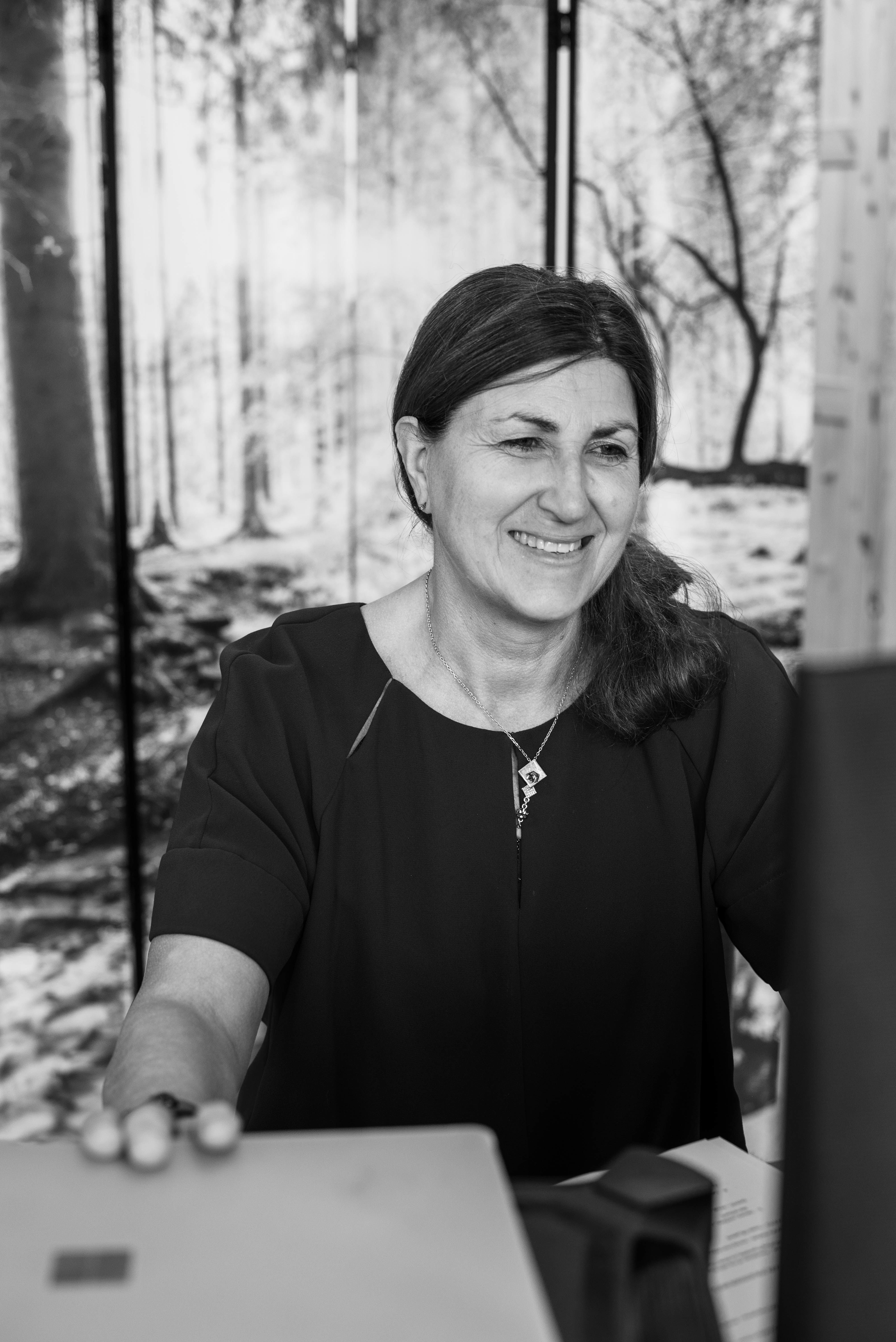
Rachel Belliere-Wilson
Rachel Belliere-Wilson
AI, automated decision-making, and machine-learning technologies are rapidly changing the world, tackling big challenges, such as indicating where a burglary is likely to take place, or whether someone is at risk of cancer. On a day-to-day level, it’s determining the information we see on our social media feeds and in our search engine results. It’s learnt to play games - and it’s already outsmarting us at chess.
But what about the events space? Well, already we’re hearing of AI taking on mundane tasks like venue selection, seating plans, scheduling meetings, agenda and content production. AI-powered bots can hold conversations with event attendees, answer questions and provide information in real time.
It all sounds great, doesn’t it? At least it’s great if you fit the norms that the AI deep learning has predicted. But what if you don’t?

“Minority groups could be forgotten, as they may not fit the norms that computers use to self-learn and decision-make.”

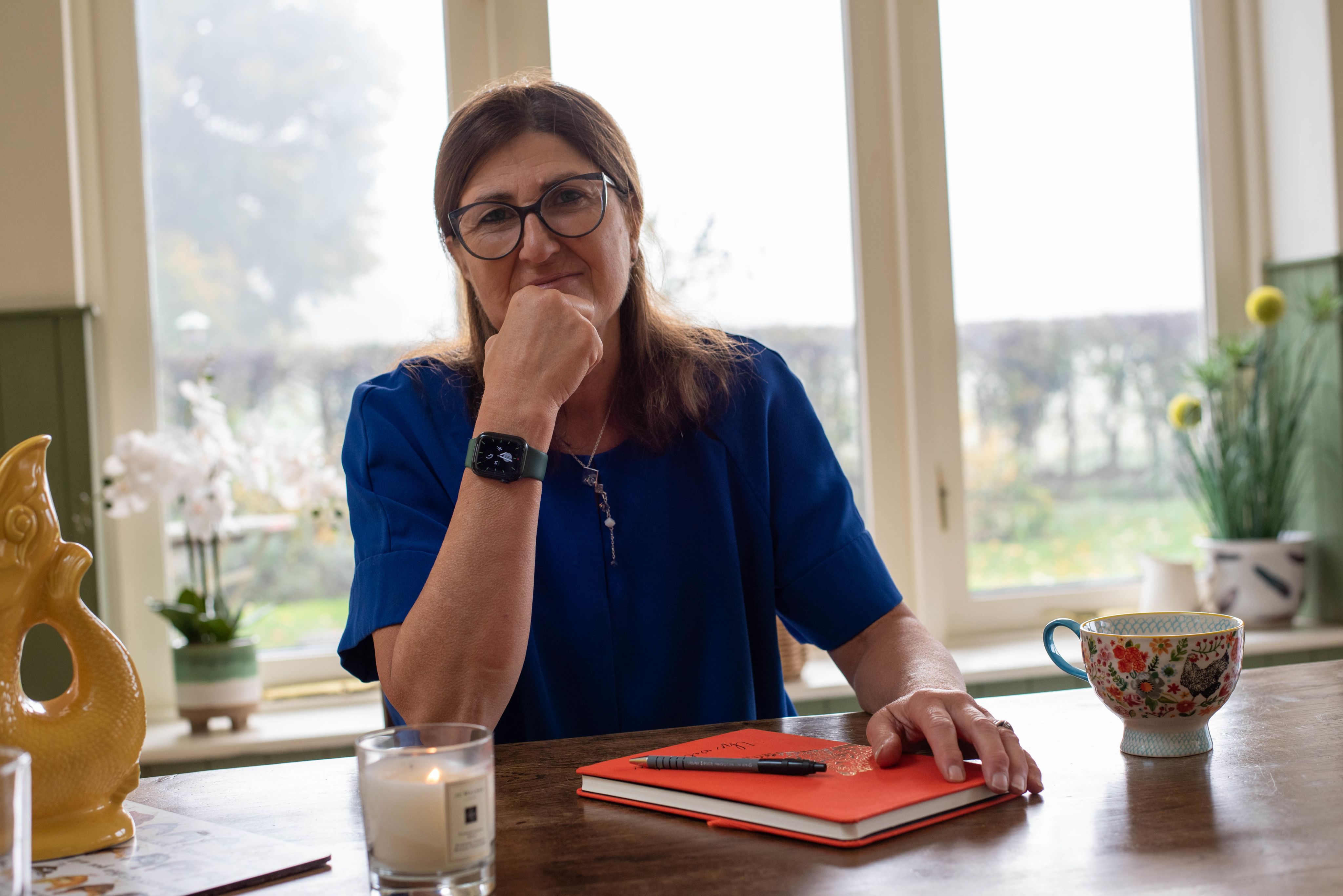

Photo by Google DeepMind on Unsplash
Photo by Google DeepMind on Unsplash

Photo by Google DeepMind on Unsplash
Photo by Google DeepMind on Unsplash
Discrimination
And here’s the problem. AI learning includes taking data shaped by prior human decisions and value judgments. This means that the same human biases, prejudices, and stereotypes that lead to discrimination can become embedded in AI-driven technologies, prolonging and entrenching the discrimination that disabled people – and other minority groups - already endure. And, let’s face it, as a human race we have something of a track record in discriminating against minority groups of people.
Algorithms may end up systematising bias. And worse still, computers cannot simply unlearn a bias. So biased algorithms, rolled out large scale, are at grave risk of propagating discrimination.
Imagine if you have visual impairment and can’t access the AI-generated communications. What if the interactive VR equipment requires gesture recognition? Or the interactive keypad has small buttons or requires a particular grip? Who might you be excluding?
Even without the help of AI, the events sector, generally speaking, manages the needs and expectations of the disabled community either by apologising for what a disabled individual cannot be included in, or by desperately trying to shoehorn them into an infrastructure that has not been designed with their requirements in mind.
In the main, venues are not fully accessible; content is not delivered in a consistently accessible manner; the event infrastructure, format and flow is inconsiderately designed; event teams do not draw on the knowledge of people with lived experience; on-site teams are uneducated in how to consider and include disabled attendees.
Excluded
So unless people with lived experience are involved within the events sector now and are given the opportunity to contribute to how AI and events come together to serve all the people, then minority groups are at serious risk of becoming even more excluded than is currently the case.
And, meantime, AI is out there learning. It’s learning from the ‘norms’ in society. It’s busy learning to enhance the experiences of those who fit the typical mould. It’s learning the biases that it cannot simply unlearn.
We have the opportunity right now to play a better game of chess than AI. Imagine if, today, we choose to learn from all the people who might cross into our event space, such as people with visible and invisible disabilities, people from a breadth of ages, backgrounds, identities? Imagine if, right now, we start to create events which consider and include everyone.


Now, what if we collect all that data?
How liberating would it feel to know that you will no longer have to apologise for being unable to meet the expectations of people from a minority group? How beneficial would it be to harness event tech that personalises and enhances the experience for everyone, regardless of background, ability, gender, background, identity?
Finally, we’d be developing events without bias.
Now that would be AI I’d want to invest in.
 Built with Shorthand