
When inclusion collides: what the Bafta incident means for live events
Diversity expert Gabby Austen Browne and EventWell founder Helen Moon unpack what happens when competing access needs collide - and what organisers must learn to protect dignity, safety and trust in unscripted live environments.

A shocking moment at Sunday’s Bafta Film Awards has reignited urgent questions about safeguarding, accessibility and crisis response at high-profile live events.
During the ceremony, a racial slur was shouted from the audience as Black actors Delroy Lindo and Michael B. Jordan presented on stage - an incident later attributed to Tourette syndrome campaigner John Davidson, who left the auditorium and apologised. The remark was also broadcast during the BBC’s delayed coverage, prompting a further apology from the broadcaster.
Beyond the immediate fallout, the episode highlights the complex realities event organisers face when balancing inclusion, duty of care, live broadcast risk and audience safety in unscripted environments. In this piece, Gabby Austen Browne and Helen Moon examine what the incident reveals about preparedness, communication protocols and the responsibilities of organisers when unexpected and distressing situations unfold in real time.
Gabby Austen-Browne is a multi award winning diversity and inclusion expert, delivering consultancy, education, training and impactful initiatives for the events, MICE and creative sectors as founder and director of Diversity Alliance and co-founder of the Diverse Speaker Bureau.
When something like this happens on live TV, in front of millions of people, to someone or a group of people who are already vulnerable in that moment - it’s not just embarrassing, it’s dehumanising.
And as a Black woman who’s been in rooms where I’ve felt like the “diversity tick,” I know what it feels like when an institution treats your humanity as an afterthought. That’s what this felt like.
They knew. That’s what makes this so hard to swallow. This wasn’t an unknown variable - they knew this person had Tourette’s, they knew they were nominated, and they still had no plan. From an event organiser’s perspective, that would be a fundamental failure of due diligence. You can’t claim to be a progressive, inclusive institution and then prove in real time that inclusion was never actually part of the planning conversation.
Does the BBC’s defence that they didn’t hear it change things? Not for me it doesn’t, this actually makes things more complicated, and in some ways, more damning!
If the editors and producers genuinely didn’t hear it, that’s clearly a workflow/systems failure, not just a human one. But they did have a delayed broadcast, which exists precisely to catch these things. And - they knew they had people in the room with Tourette’s - awareness, training and process lacking on the what that means perhaps?
Also “Free Palestine” was cut and other words were bleeped, so the process seems to work - selectively-biased? Bias in processes?
A good apology names the harm specifically. It doesn’t protect the institution’s reputation at the expense of the person affected. What we usually get is “sorry if anyone was offended” which puts the burden back on the victim or victims in this case (our Tourette’s campaigner has been let down massively too). We must be accountable and not just do a PR exercise.
It shows event organisers; know your attendees. If someone in your programme has a health condition, a disability, is from an underrepresented or minority group or has an access need, that information should be flowing through your entire team, with plan of actions in place to ideally prover any issues and have a protocol for the unexpected before its need it, not after.
The harm doesn’t become less harmful because it was accidental. The impact on the people in that room, the two men on stage, and probably a lot of Black people watching at home doesn’t change based on what was happening in a truck… and that “it was just missed”.
Delroy Lindo also said he wished someone from Bafta had spoken to them afterwards - this is yet another lapse in judgement and process. So that’s not inclusion, or care , empathy or understanding… they chose to cover backs publicly rather than speaking to those affected privately and in the moment.
For event organisers - the ‘we didn’t hear it’ defence is a reminder that good intentions and good systems are two very different things. If we know a risk exists (and the BBC/BAFTA did) then we must build redundancy into our processes. We must remember to regularly train our people.
So ultimately the technical failure and the human failure compounded each other here. And the people who paid the price were Black. And that bit is hard to explain away.

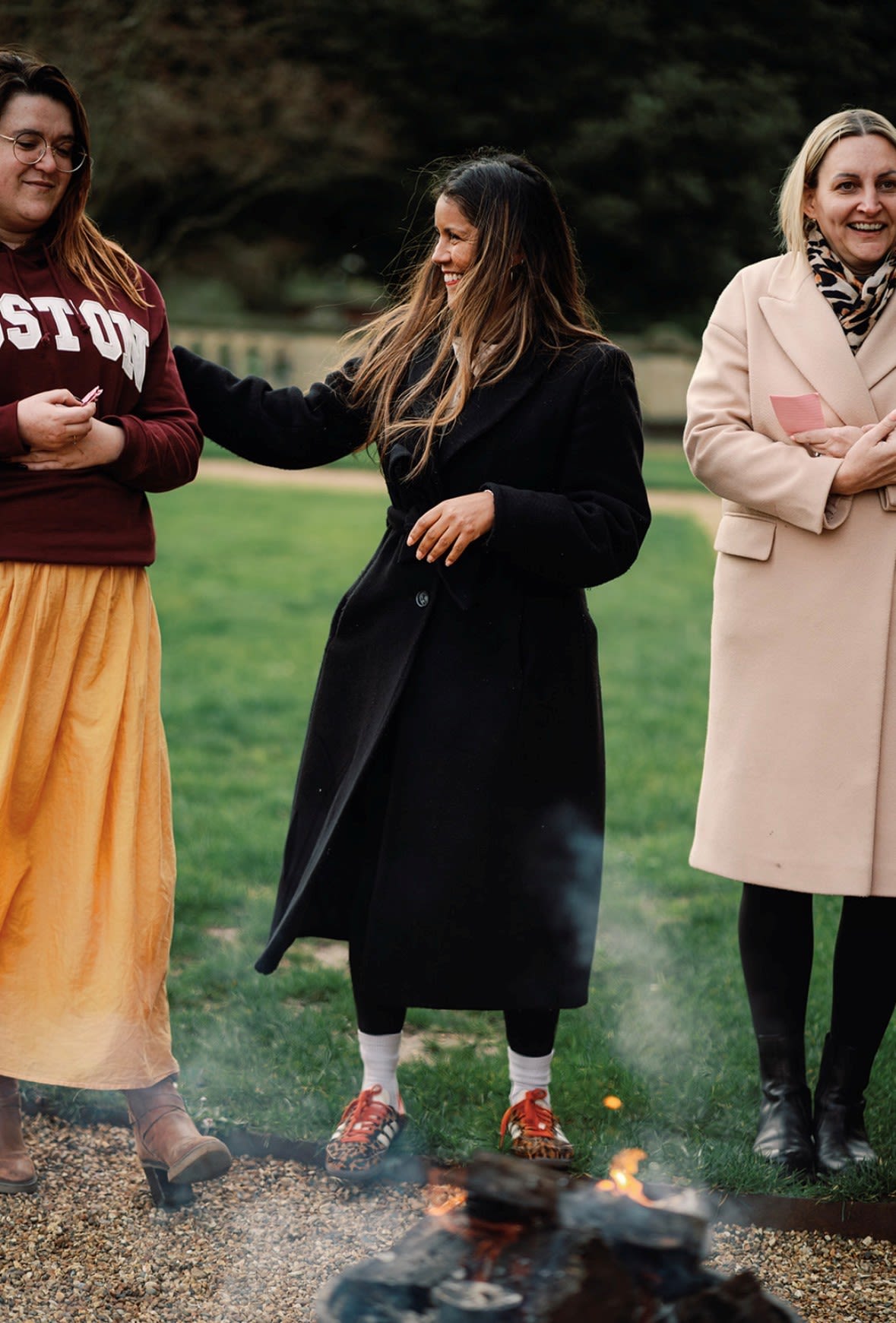
Gabby Austen Browne
Gabby Austen Browne
"Ultimately the technical failure and the human failure compounded each other here. And the people who paid the price were Black."

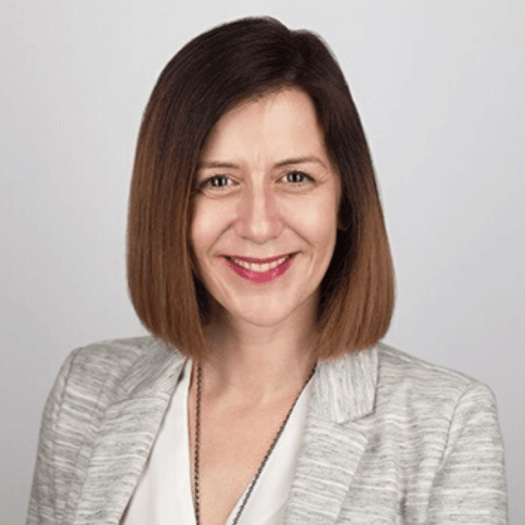
Helen Moon
Helen Moon
"Inclusion-led practice is not about eliminating all possibility of error, but about responding transparently and proportionately when harm has occurred"
Helen Moon is a pioneering event professional and the founder and chief executive of EventWell, an award-winning not-for-profit and charitable social enterprise dedicated to neuroinclusion and mental wellbeing in events.
Incidents like this highlight a really important but often overlooked reality of inclusion - that access needs can sometimes conflict with one another in shared spaces.
In this case, language that caused understandable harm to those present was the result of an involuntary neurological tic associated with Tourette syndrome. That does not reduce the impact experienced by the two Black actors on stage in that moment - but it does change how organisers and broadcasters need to think about responsibility and response.
It is also important to acknowledge that harm has not occurred in only one direction. The individual involved, whose Tourette syndrome may have contributed to the involuntary vocalisation, is now likely to face significant public scrutiny, backlash, and abuse, and intense shame as a result of a disability-related incident broadcast to a global audience.
Inclusion does not mean that nothing upsetting will ever happen. It means that when something does occur, systems are in place to respond in a way that protects dignity for everyone involved.
For event organisers, this is about recognising foreseeable risk in live environments and ensuring that appropriate support is available - such as disclosure processes, regulation spaces, trained hosts, and incident response planning - within environments that are prepared to respond if distressing or unexpected incidents occur.
Ultimately, responsibility for the safety of the event environment sits with organisers and producers. Inclusion is not solely about who is present in the room, but about whether the environment has been designed and supported in a way that anticipates foreseeable access needs and provides appropriate safeguards where required. In high-pressure, sensory or live broadcast settings, this includes ensuring that individuals with known or disclosed access needs are not left navigating those environments without appropriate support, and that systems are in place to respond proportionately should distressing or unexpected incidents occur.
While the in-room response during the live ceremony was handled calmly and appropriately in the moment, the decision to make the unedited version available on iPlayer is where the situation could have been better managed.
In a live broadcast environment, some incidents are unavoidable. However, once content moves to an on-demand platform, organisers and broadcasters have full editorial control over what audiences are re-exposed to. Repeating harmful language - even when involuntary - risks causing further distress to viewers who may experience harm through repeated exposure, and increases the risk of further reputational and personal harm to those involved in the original incident.
A simple edit, mute, or contextual note in the replay would have reduced the risk of repeated harm without stigmatising Tourette syndrome or disregarding the complexity of the incident.
Safeguarding does not end when the live event does - it extends to how that content is shared afterwards as well.
The producers have said the inclusion of the unedited language was an accident, and mistakes can occur within complex editorial and post-production processes. The safeguarding focus, however, should not rest solely on how the error happened, but on how it was addressed once identified.
Prompt removal of the content, a clear apology to those impacted, and the re-upload of an edited version are all part of an accountable response that seeks to minimise further harm. For broadcasters and event organisers alike, inclusion-led practice is not about eliminating all possibility of error, but about responding transparently and proportionately when harm has occurred, and taking steps to prevent repeat exposure in future.