
In conversation with...
Felicia Asiedu & Nicola Allen
Asiedu and Allen, both Cvent marketing directors for Europe, share their insights on the events that have inspired them and shaped their careers in the industry.



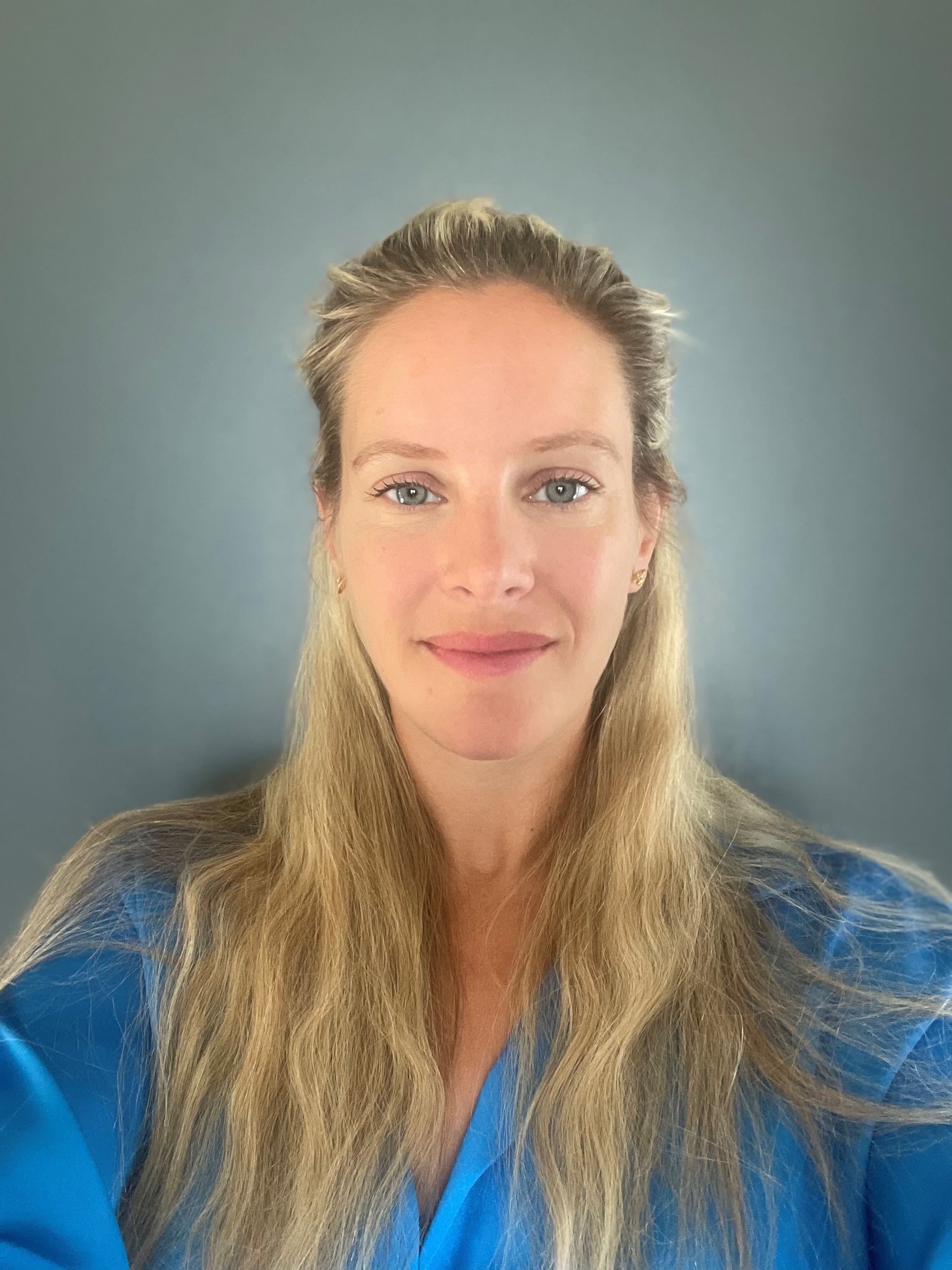
Nicola Allen
Nicola Allen

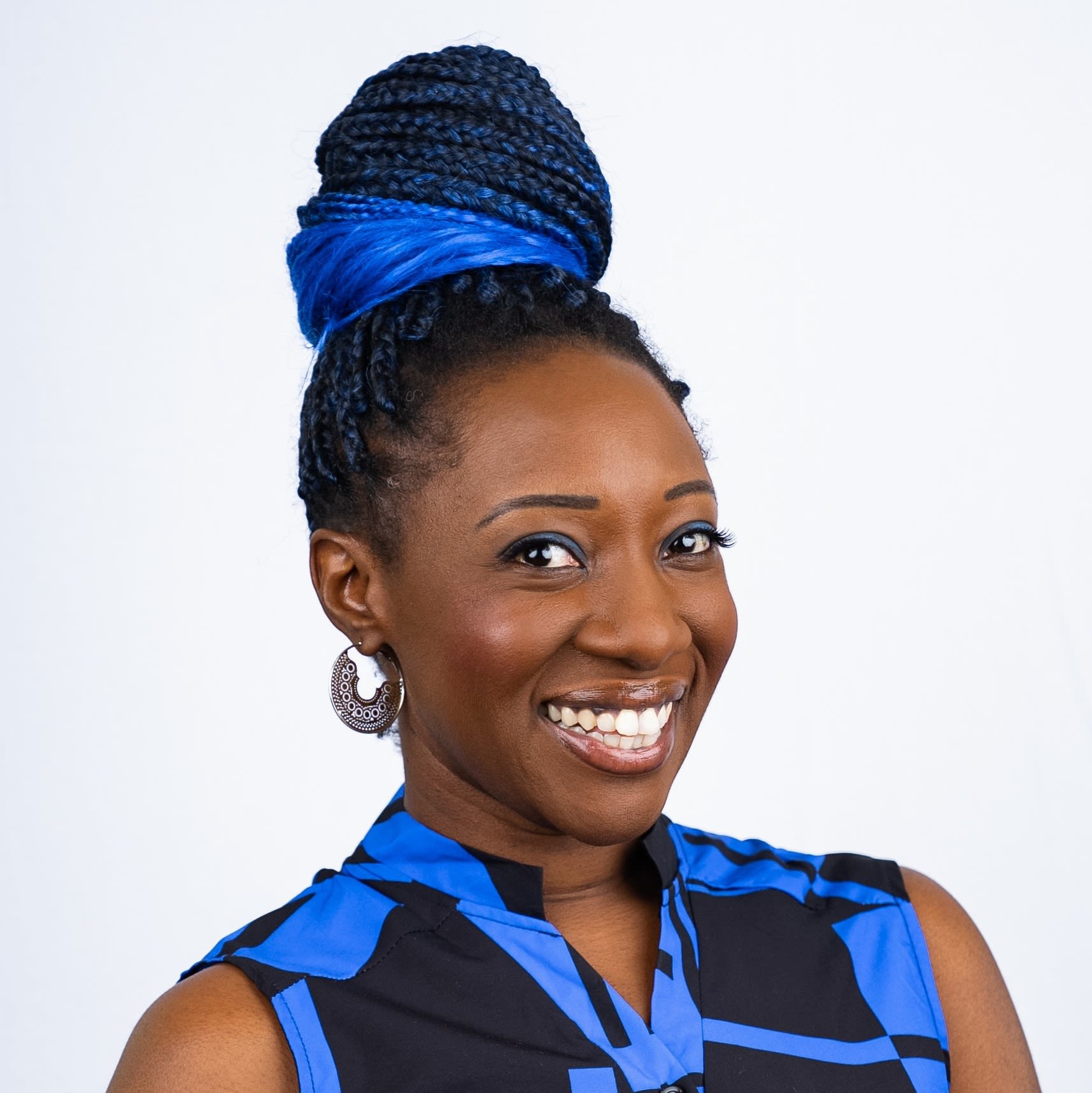
Felicia Asiedu
Felicia Asiedu
HP: Can you share a pivotal event that has shaped your career in the events industry and how it influenced your path forward
FA: For me, the turning point was working on Cvent CONNECT Europe. Before joining the company, I had hosted events as a marketer but hadn’t yet experienced the full scope of event production. Being part of the team that organised our customer and industry conference gave me invaluable insight into what it takes to create impactful events.
Although I didn’t speak on stage initially, the experience ignited my passion for crafting engaging experiences.
NA: I had two defining moments early on in my career. The first was when I played a key role in transforming a North American conference into an exhibition that attracted over 6,000 attendees. That resounding success showed me what was possible with the right strategy and execution. On the other hand, I was involved in launching a trade show centred on wellness, which didn’t quite hit the mark.
Despite that setback, I came away with valuable lessons about adapting to evolving audience demands. It also reinforced that even challenges offer opportunities for growth
HP: What are some of the most impactful events you’ve organised or attended that have driven real change in the industry?
FA: One of the most impactful events I co-organised was with Gabrielle Austen Browne, Shonali Devereaux and Ashanti Bentil-Dhu. We put together a virtual meetup to bring together women from diverse backgrounds to highlight the importance of mentorship. It was especially significant as Fay Sharpe, founder of Fast Forward 15 (FF15), had been vocal about change and driven to make her mentorship programme more diverse and inclusive —a commitment still seen today.
On a personal and professional level, an unforgettable experience was hosting a corporate box at a Beyoncé concert. My marketing manager at the time asked me to step in for the night, and I could invite a plus one. I immediately thought of my friend who was the biggest Beyoncé fan I knew. It’s a perfect example of how live events have the power to create lasting emotional connections, evoking nostalgia and shared experiences that leave a meaningful impact.
NA: Some of the most impactful events for me have been those I’ve both organised and attended. I host intimate advisory board dinners, where small groups of Cvent customers share feedback that directly shapes our product development.
I also value informal meet-ups where industry peers come together to collaborate and exchange ideas in a relaxed setting. On a personal level, attending Burning Man was a transformative experience. Immersed in a community built on creativity and self-expression, I was challenged both physically and emotionally. The event reshaped my perspective, and though it was entirely outside of work, it has left an impact that resonates in my professional life.

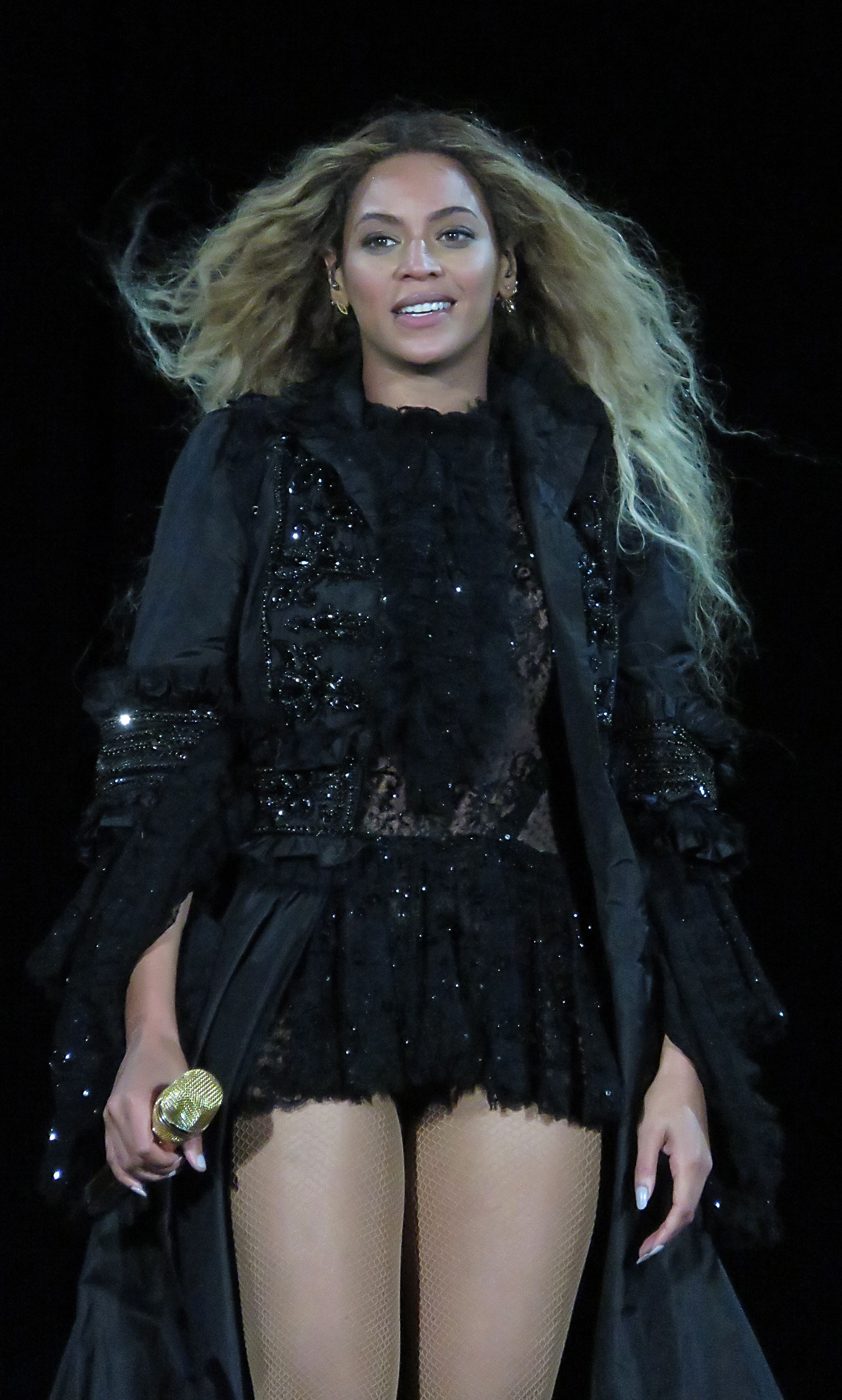

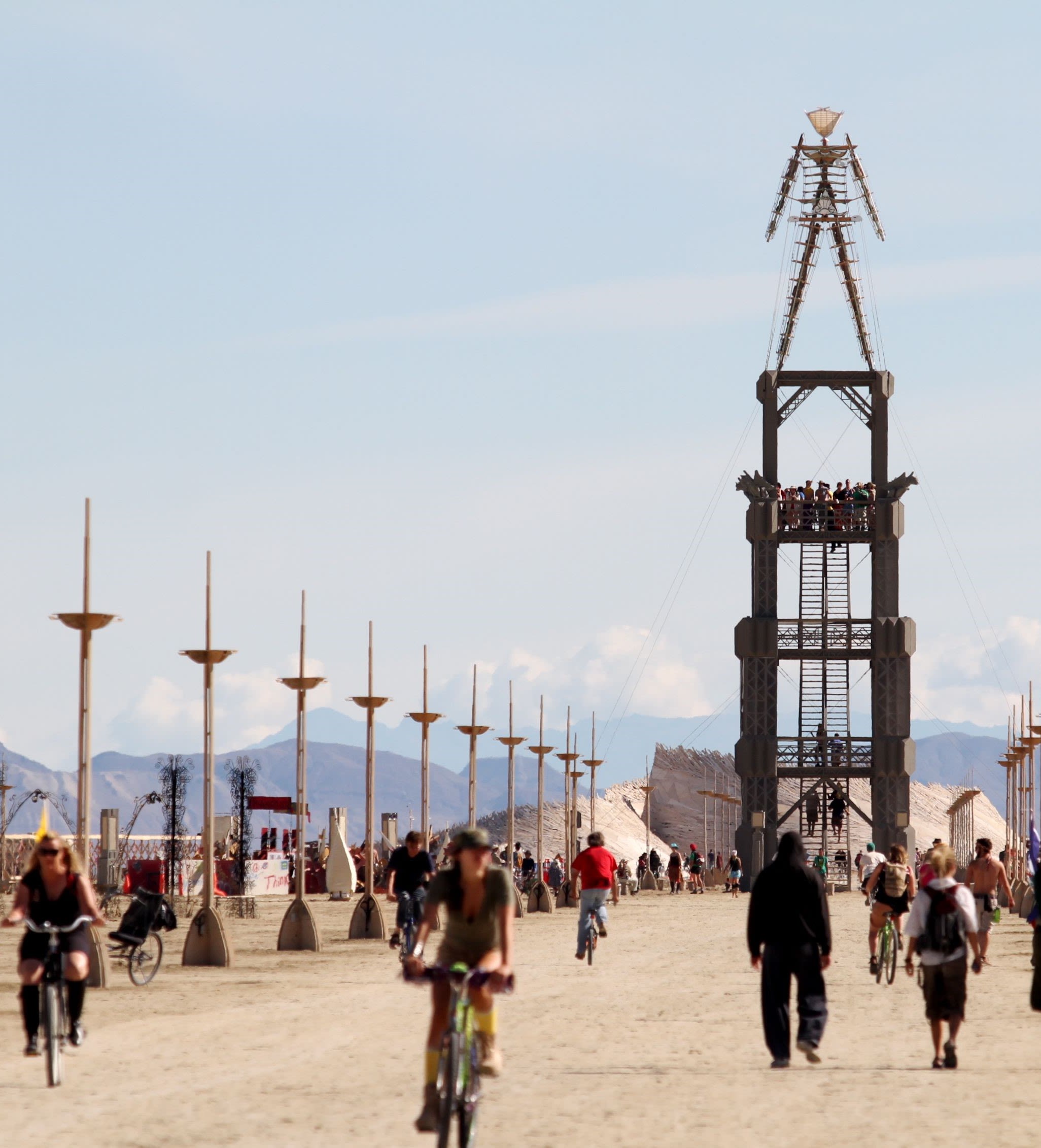


Photo by Ryoji Iwata on Unsplash
Photo by Ryoji Iwata on Unsplash


Photo by Dipesh Shrestha on Unsplash
Photo by Dipesh Shrestha on Unsplash
HP: How do you see marketing in the events industry evolving, and what actions need to be taken to accelerate progress for women in this space?
FA: Marketing and events are increasingly intertwined. Traditional marketing now seamlessly integrates with events, utilising digital tools, AI and data-driven strategies to deliver clear ROI.
With AI and automation streamlining processes, marketers have more time to focus on creativity and storytelling. To accelerate progress for women, companies must continue to uphold the inclusive standards established in recent years.
NA: Marketing in the events sector has transformed dramatically since I first entered the industry. In the early days, it was all about print, telesales and simple emails. Now, marketing is at the centre of the entire event funnel—from audience targeting through sophisticated multichannel campaigns to shaping every touchpoint of the attendee journey (pre-, during and post-event).
HP: As women in marketing and events, what barriers have you faced, and what strategies have helped you overcome them?
FA: I have faced challenges such as having my ideas dismissed or undervalued and encountering gatekeeping. One defining moment was when I shared an idea directly with the CFO, who valued it and saw me.
This reinforced the importance of advocating for myself. That experience has shaped my leadership style today—I actively encourage my team to take initiative.
NA: I faced a significant challenge early in my career when, despite my experience and contributions, a less seasoned male colleague was promoted over me. This setback was tough; however, I realised that the work speaks for itself and will be recognised.
I trusted my abilities and kept my focus. My best advice is to trust your voice, and I encourage others to do the same: don’t be afraid to stand out and speak up.


Photo by Kelly Sikkema on Unsplash
Photo by Kelly Sikkema on Unsplash
Photo by Valentina Conde on Unsplash
Photo by Valentina Conde on Unsplash


HP: What advice would you give to young women looking to break into marketing and the events industry, especially those who want to drive meaningful change?
FA: My advice is simple: start by doing it yourself. Whether it’s organising an event for friends, at school or in your community —take the initiative. By actively creating your own opportunities, you gain valuable experience.
NA: I recommend thoroughly researching and understanding the various facets of the events industry. Whether it’s working with suppliers or event agencies, there’s so much choice. Choose an environment where the leadership inspires you and you can thrive. Also, get a mentor and never stop upskilling yourself.
HP: Looking ahead, what is your vision for the future of the events industry, and how can women take the lead in accelerating that transformation?
FA: I envision an industry that thrives on collaboration and partnerships. As technology continues to streamline processes, it will also free up time for creating deeper relationships and fostering innovative collaborations. In the future, I see events (such as trade shows) designed with shared spaces, co-curated stands and collaborative experiences that encourage creative problem-solving.
Women’s leadership will play a vital role in this transformation, supported by male allyship, and this collective effort will drive the industry to greater heights.
NA: As more women step into leadership roles, the industry will benefit from a wider range of perspectives and leadership styles that will drive its evolution.
I want us to look back and see that the industry leapt forward, driven by inclusive leadership. The best events don’t just inform; they transform. I aspire to create experiences that challenge perspectives, spark meaningful conversations and leave a lasting impact.
I’d love to see formats that break away from the traditional conference mould, incorporating theatrics, art and other immersive elements to redefine what corporate events can be.

Photo by Giusi Borrasi on Unsplash
Photo by Giusi Borrasi on Unsplash


 Built with Shorthand