
Meet the future of events: the rising stars already reshaping the industry
From challenging outdated norms to putting people firmly at the centre of experiences, the 2026 Tomorrow’s Talent cohort isn’t waiting to lead - they’re already changing how events are designed, delivered and defined.


The next generation of event professionals isn’t waiting in the wings - they’re already making an impact.
The Tomorrow’s Talent programme, run by The Meetings Show in partnership with M&IT, spotlights 10 rising stars who are shaping the future of the meetings and events industry right now. Now in its eighth year, the initiative brings together a cohort whose early careers don’t just reflect where the sector is heading, but actively push it forward.
Different paths, shared ambition
One of the defining characteristics of this year’s cohort is the variety of routes that have led them into the industry. There is no single path into events and that diversity of experience is helping to shape a more dynamic and adaptable future workforce.
For some, the journey has been deeply personal. Lewis Hine, founder of A World With Friends, created his charity after experiencing loneliness and isolation himself, using events as a way to bring people together and create meaningful connections. What began as a small idea has since grown into a long-running initiative supporting thousands of young people.


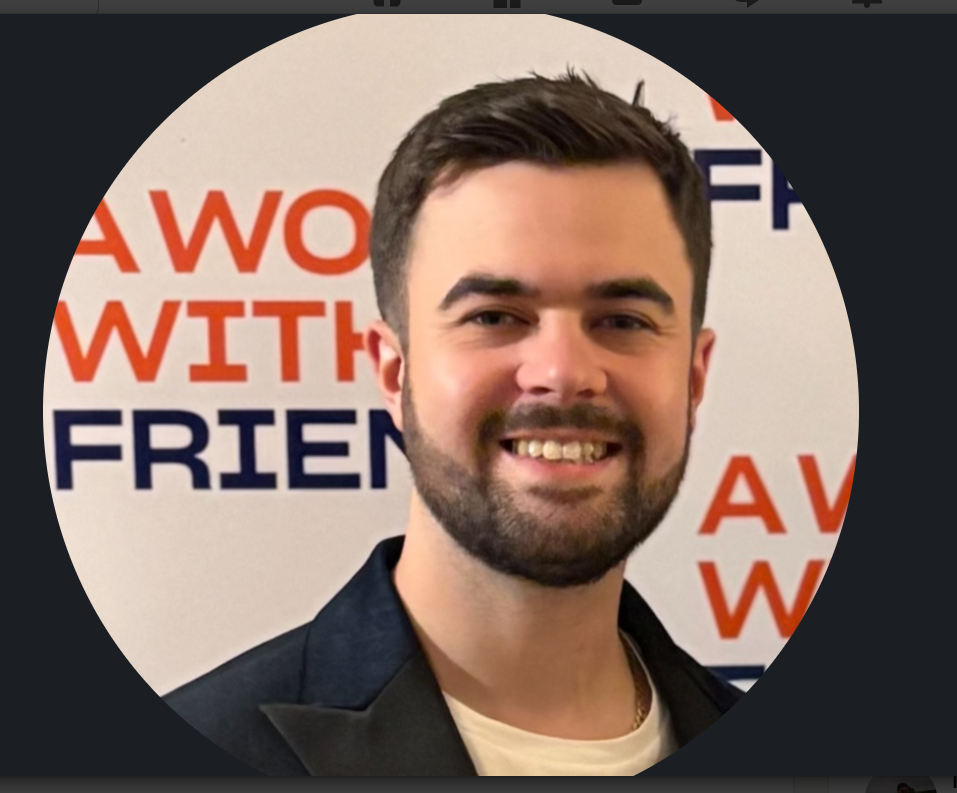
Lewis Hine
Lewis Hine






Others have taken less traditional routes into the sector. Oscar Easton, now events director at BCE, began his career in the West End stage managing high-profile productions before transitioning into events during the pandemic. That background in live performance continues to influence his approach, bringing a strong sense of audience experience and engagement to his work.

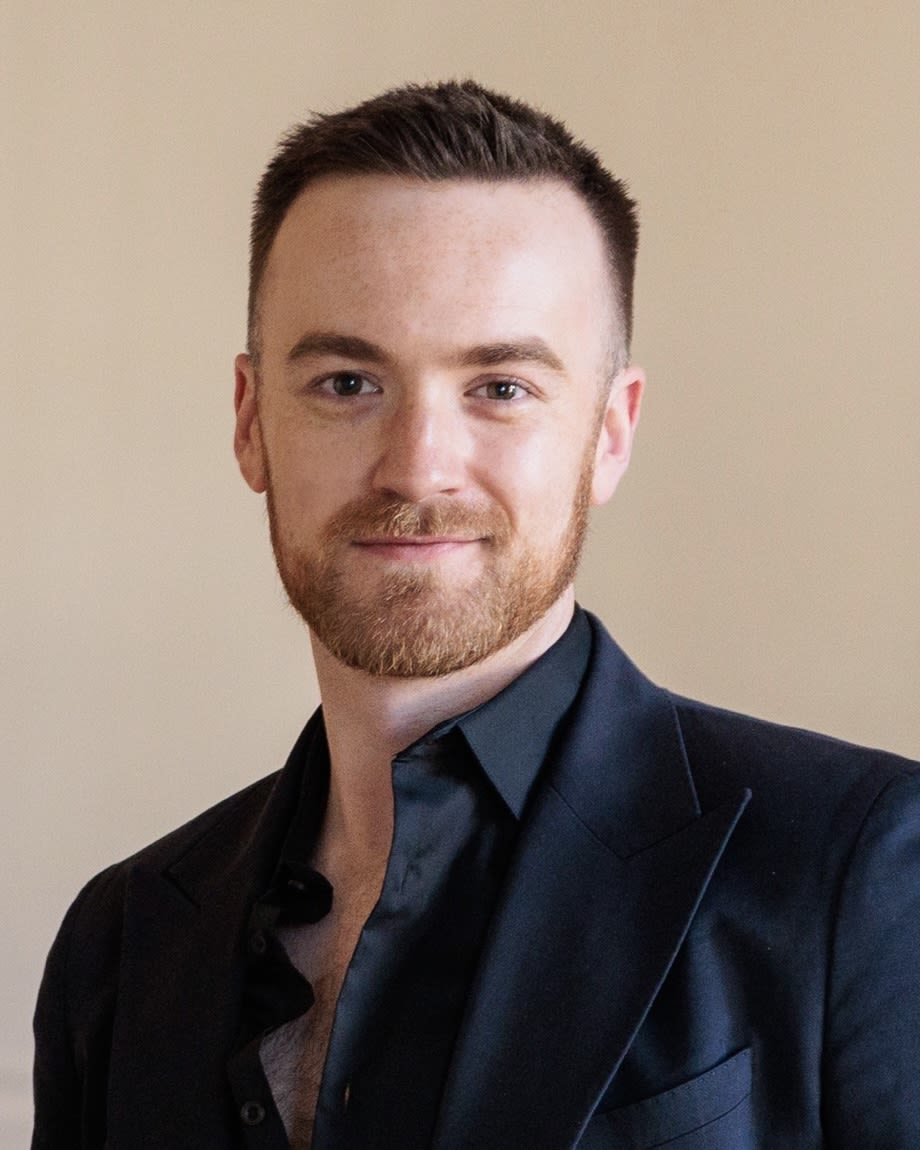
Oscar Easton
Oscar Easton
Meanwhile, many of the cohort have progressed rapidly through more traditional entry points, combining formal education with hands-on experience. Connie Arnold, project manager at DRPG, began her journey through university before moving into agency life, while Olivia Wilkie, senior project executive at asembl., has quickly moved from venue roles into leading complex, international projects.

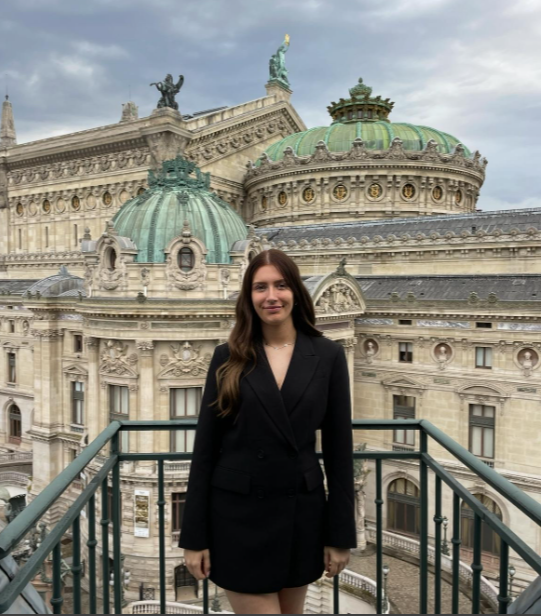
Connie Arnold
Connie Arnold
A generation willing to challenge the norm
Alongside their varied backgrounds, this year’s winners share a confidence in questioning how things have always been done. Rather than following established processes, they are actively looking for ways to improve and evolve them.

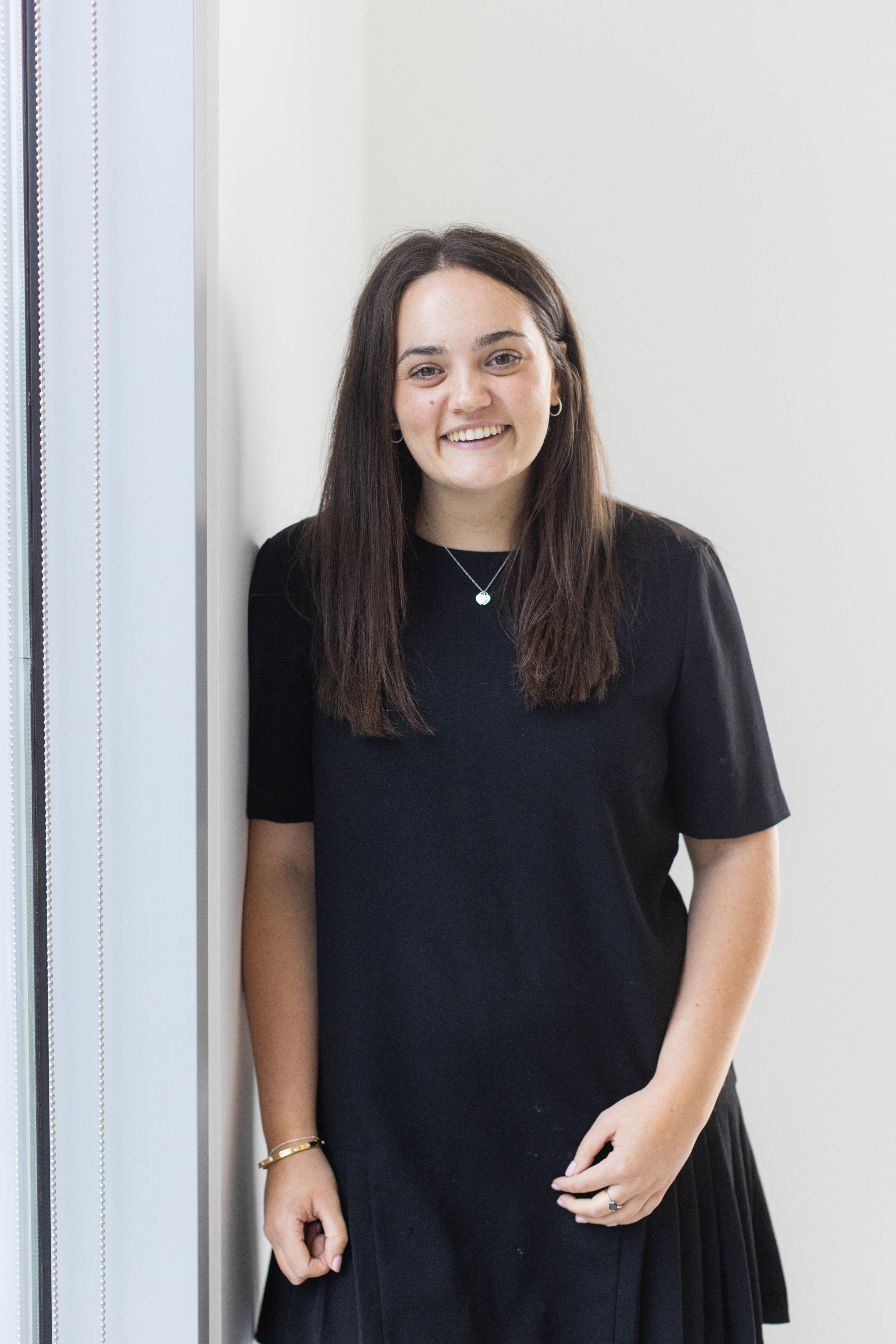
Kimberley Knight
Kimberley Knight
Kimberley Knight, senior project manager at tta, highlights how the younger generation is not afraid to challenge the status quo, pushing for more inclusive, innovative and purpose-driven ways of working.
Similarly, Annabelle Lynch, project manager at DRPG, points to a natural curiosity and willingness to explore new ideas, helping to drive more efficient and effective approaches across the industry.


Annabelle Lynch
Annabelle Lynch
“Combined with adaptability and efficiency, this people-first mindset will be crucial in delivering impactful events and building long-term partnerships,” she says.
This mindset is also reflected in how success and progress are viewed. Rather than equating hard work with long hours or overloading projects, there is a growing focus on working smarter and prioritising clear communication. Also, strong relationships and purposeful delivery.
A people-first mindset
At the core of this cohort is a strong belief that events should be designed with people in mind. Across their perspectives, there is a clear emphasis on topics such as wellbeing and inclusion and creating experiences that feel meaningful for attendees.

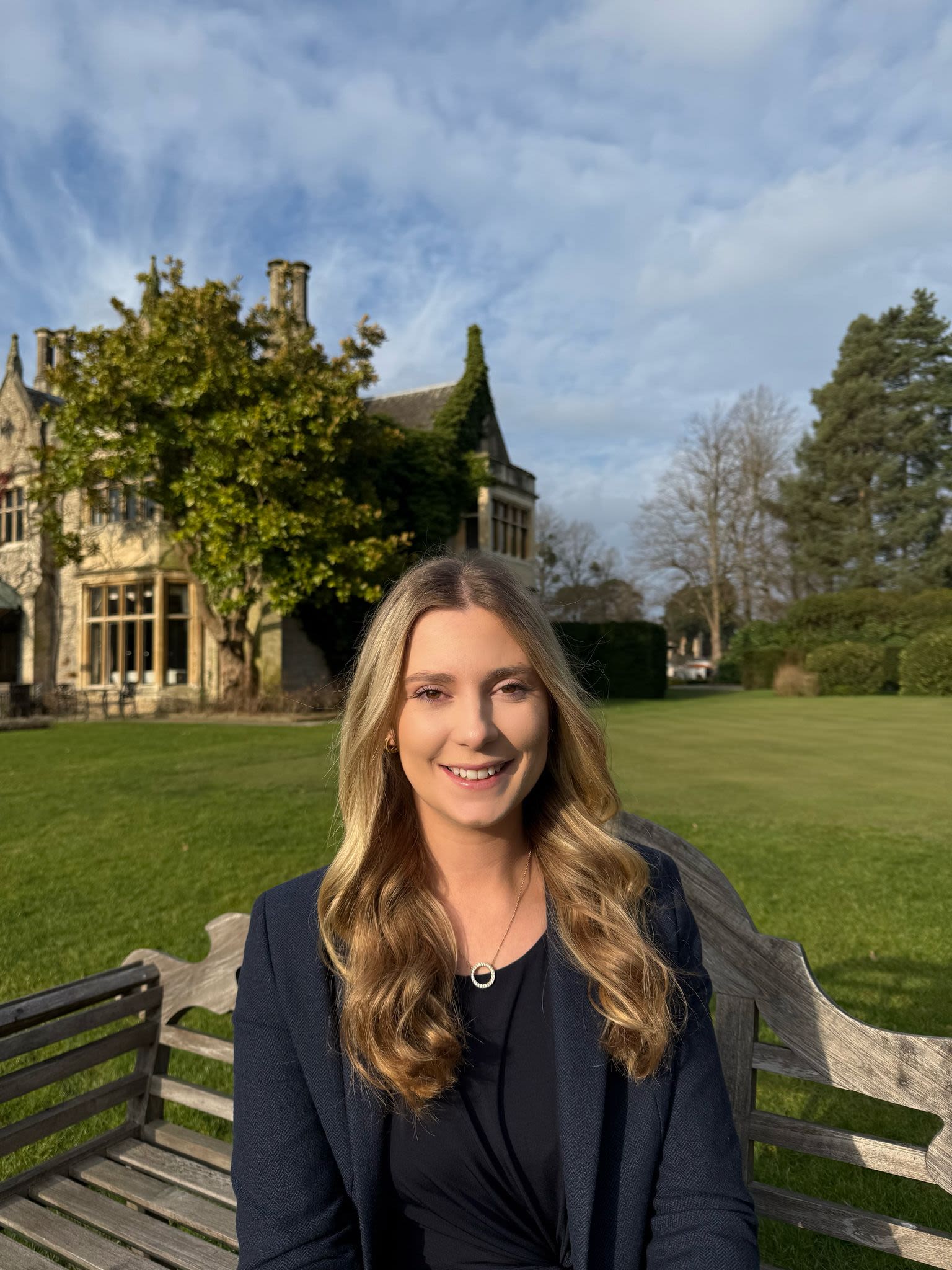
Lily Shackleford
Lily Shackleford
Lily Shackleford, senior sales and events coordinator at Foxhills Club & Resort, describes a shift away from traditional measures of success towards a focus on how people feel during an event, with greater importance placed on creating experiences that are engaging and genuinely enjoyable.
“Long, packed agendas with no breaks or variation just don’t work anymore,” she says. “People want more balance in their day, with time to recharge, connect and stay engaged. Moving away from rigid formats and creating more flexible, experience-led agendas will make events far more effective and enjoyable.”


Louise Balderson
Louise Balderson
This is closely aligned with the views of Louise Balderson, project manager at XSEM, who highlights the growing importance of emotional intelligence in event planning. “Understanding how people feel, how they move through a space and what makes an experience memorable is becoming just as important as managing logistics,” she says.
Katie Gallagher, sales executive at Crowne Plaza Newcastle, also points to the importance of balance and wellbeing, reflecting a wider shift in attitudes towards work culture that is now influencing expectations within events.
She says: “There’s been a shift over the years surrounding work-life balance, personal wellbeing, and a positive work culture. I believe the younger generation have found the right balance with this, which in turn has a positive impact on professional efficiency! There’s a saying I love which is “You can’t pour from an empty cup,” - this also translates to the workplace and when executed correctly can have a huge impact on the industry!”
Creating moments
These perspectives ultimately feed into a broader rethinking of what events are designed to achieve. For this generation, creating moments that resonate at events is just as important as delivering good content.
Across the cohort, there is also a strong emphasis on quality over scale, with Kimberley Knight highlighting that success is less about size and more about the value and impact an event creates for its audience.
“I think one of the biggest outdated mindsets is that bigger always means better. It’s not just about numbers anymore - it’s about the quality of the experience and how people feel when they leave an event,” she says.
Events of the future
The 2026 Tomorrow’s Talent cohort represents a generation of event professionals defined by their mindset. They are collaborative, curious and unafraid to challenge convention, bringing a more human and thoughtful approach to the industry.
As their careers continue to develop, their influence is likely to shape how events are experienced for years to follow.
The Tomorrow’s Talent programme is run by The Meetings Show, continuing its commitment to recognising and supporting the next generation of professionals shaping the future of the meetings and events industry. The winners receive VIP access to the 2026 edition. In addition, they have the opportunity to take part in a four-week Confidence in Communicating training programme and those who complete the programme will earn the opportunity to emcee the education stages at The Meetings Show.
The Meetings Show takes place 24-25 June 2026 at Excel London and is co-located with Business Travel Show Europe and TravelTech Show.

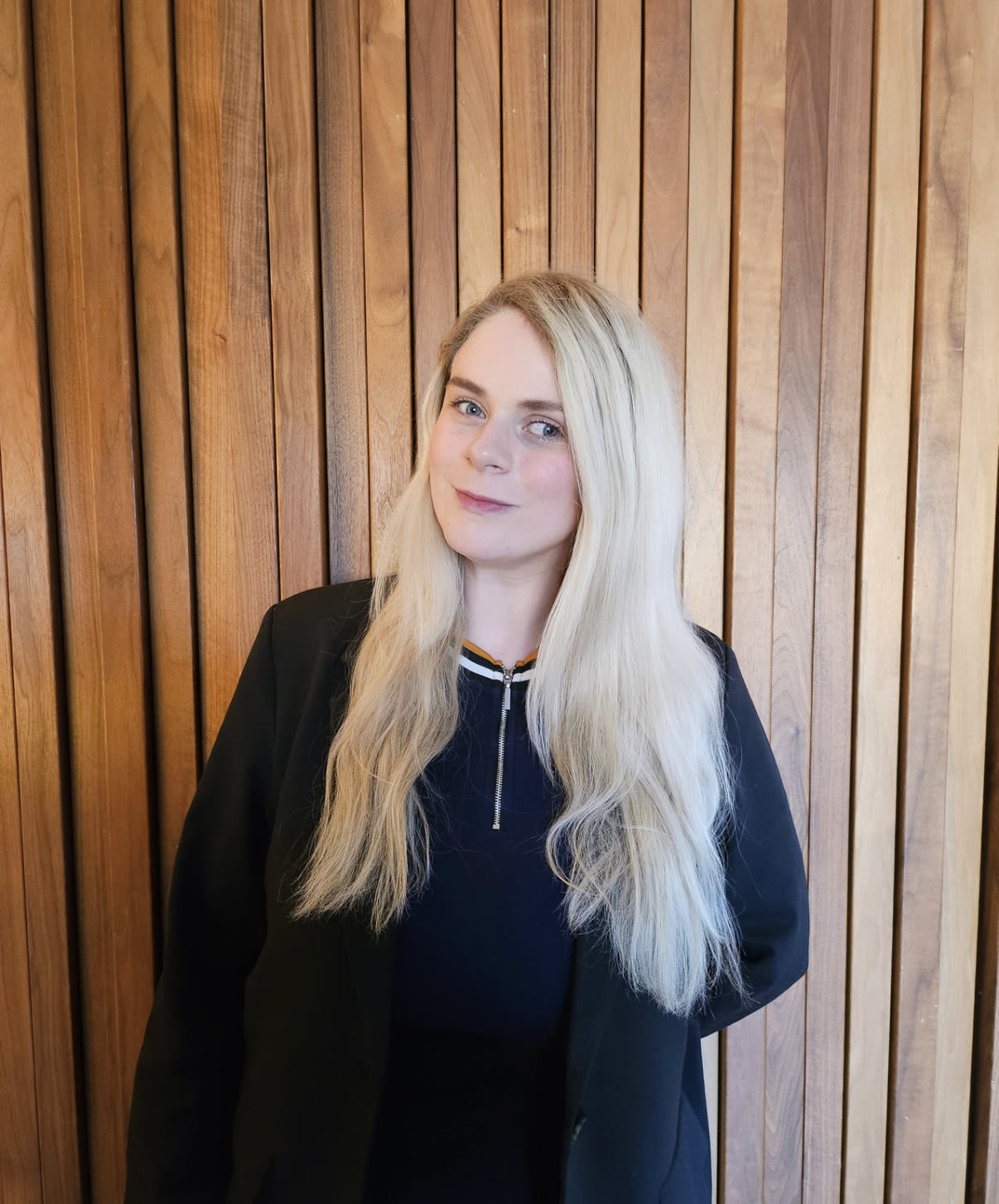
Katie Gallagher
Katie Gallagher


Olivia Wilkie has quickly moved from venue roles into leading complex, international projects.
Olivia Wilkie has quickly moved from venue roles into leading complex, international projects.
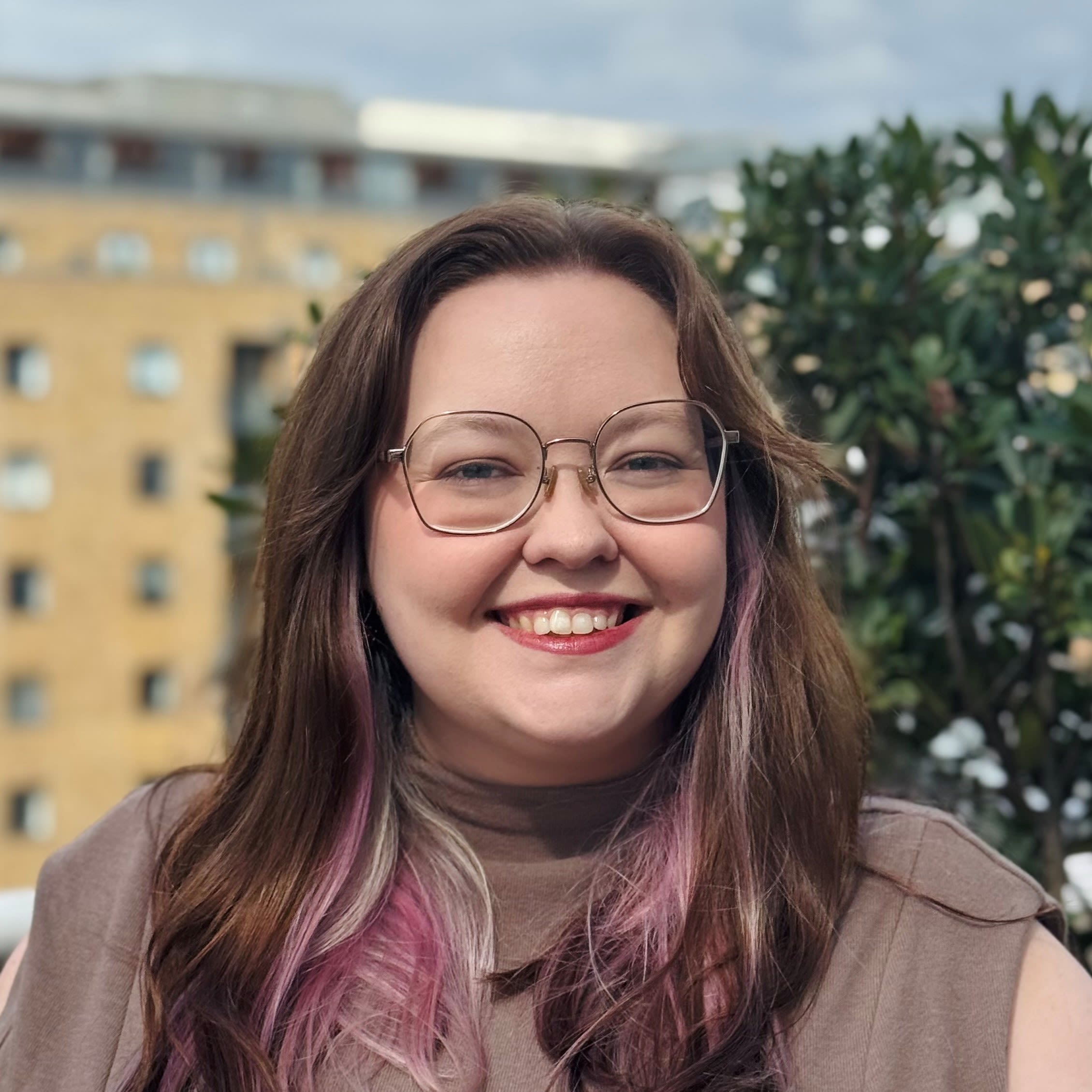
Katie Percival, events officer, Climate Group
Katie Percival, events officer, Climate Group