
Breaking the burnout barrier:
Strategies to conquer imposter syndrome


Burnout and imposter syndrome are more closely linked than we like to think, explains Anna-Marie Trzebinski, founder of AMTEvents.
"We talk a lot about imposter syndrome and we talk a lot about burnout, but we very rarely talk about them in the same sentence. We’re also not very good at finding solutions or actioning change to combat burnout and imposter syndrome," Trzebinski explains.
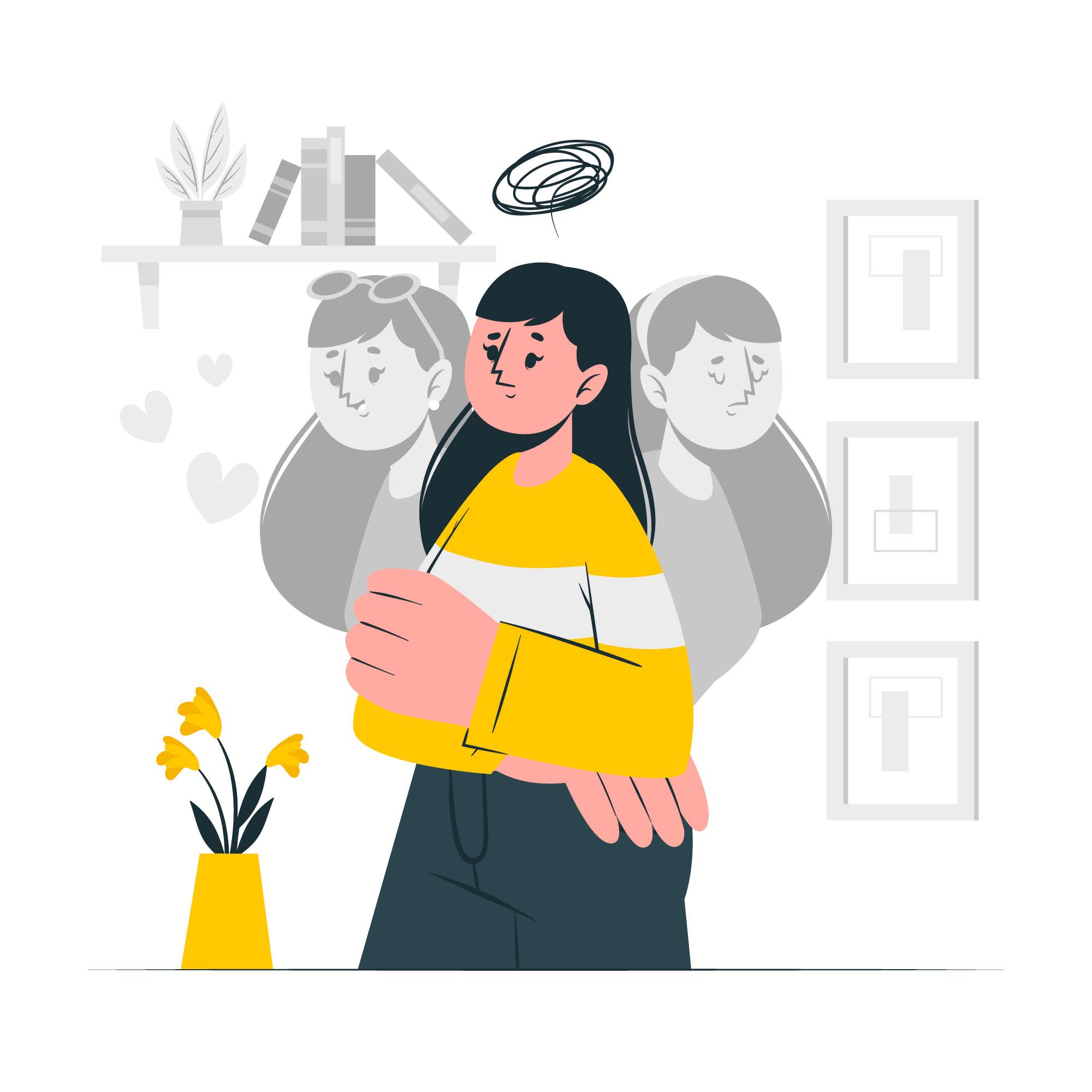
We’re chatting over Zoom about imposter syndrome - the notion that one's success isn’t deserved or hasn’t been legitimately achieved because of one's efforts or skills. A type of anxiety which can be felt in professional and personal realms.
Imposter syndrome may sound like: "I’m a fraud, I’m not qualified enough for this job, everyone can tell, it’s only a matter of time before I’m found out.”
There are legitimate cases where people in certain roles aren’t qualified for their jobs, but it doesn’t always prevent them from being posted in those positions anyway. Imposter syndrome differs in that a person can be qualified for their role, but self-doubt triumphs over aptitude.
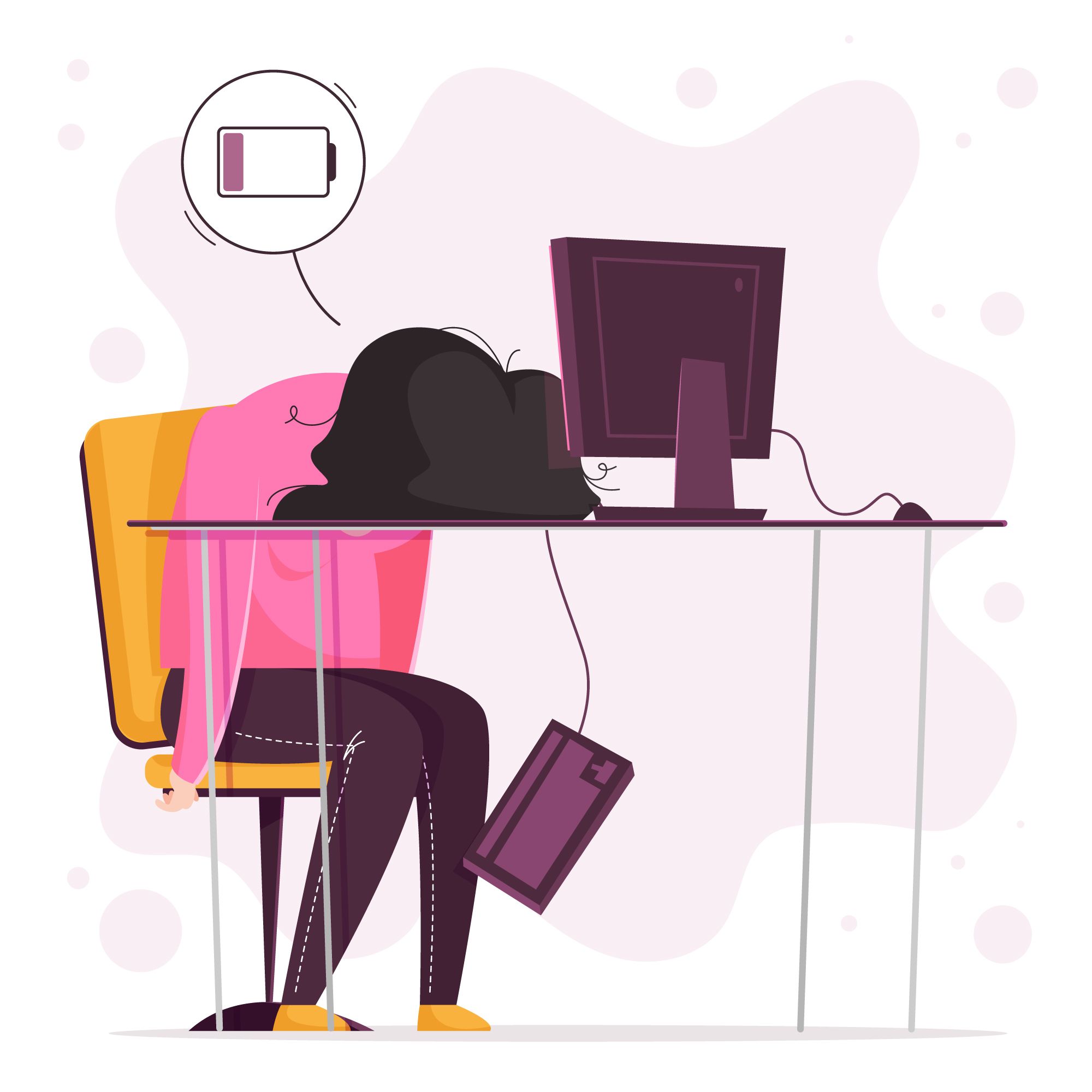
When Trzebinski draws parallels between imposter syndrome and burnout – a type of stress-induced exhaustion often linked to over-exerting yourself at work – the logic makes sense.
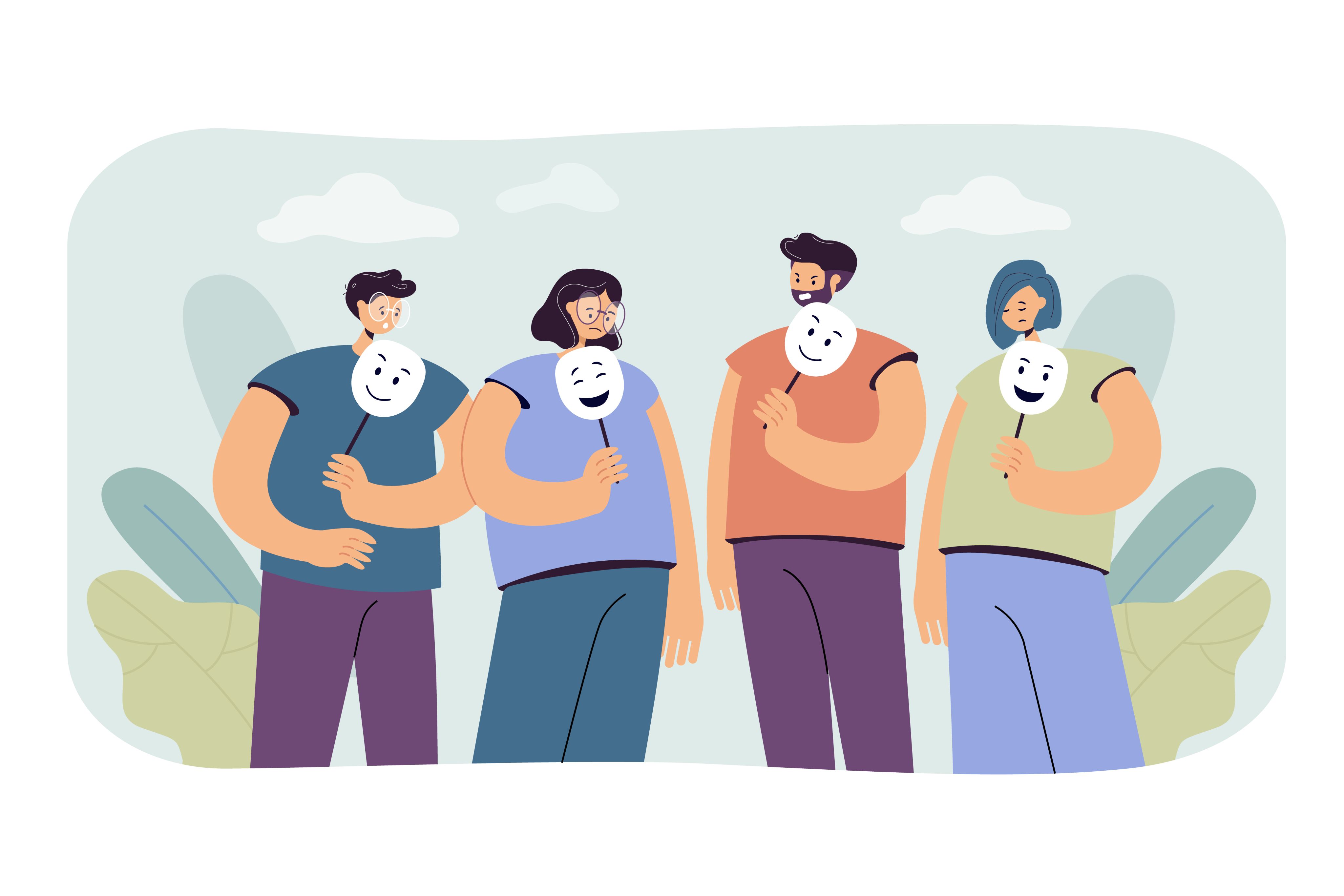
The self-fulfilling prophecy that you will wind up burnt out after exhausting yourself at work while trying to prove your worth, is fed by an intrusive thought that you’re not worthy of the role, you’re not doing a good job, you’re a fraud, you’re an imposter.
In other words, ‘I must prove I’m not an imposter, therefore I’ll do more than I’m physically and mentally capable of. I’ll exhaust myself in the process, at the expense of my health, but at least they’ll know I’m worthy.’
"When it comes to imposter syndrome, we can be considered by others as ‘put-together’ and we rise to be the people that others perceive us as, such as a leader or an influencer. It is very complimentary to see this progression and gain support, even if you question at times: 'Am I doing enough?'" explains Trzebinski, "I suppose you just follow your feet!
"Imposter syndrome in the events industry is rife and it’s mostly among women, in my experience. I run a start-up and I’m expected to know everything, but I’m constantly learning, which is a reality to any entrepreneur and part of the excitement."
"But it’s important to acknowledge that knowing how to do absolutely everything is impossible."

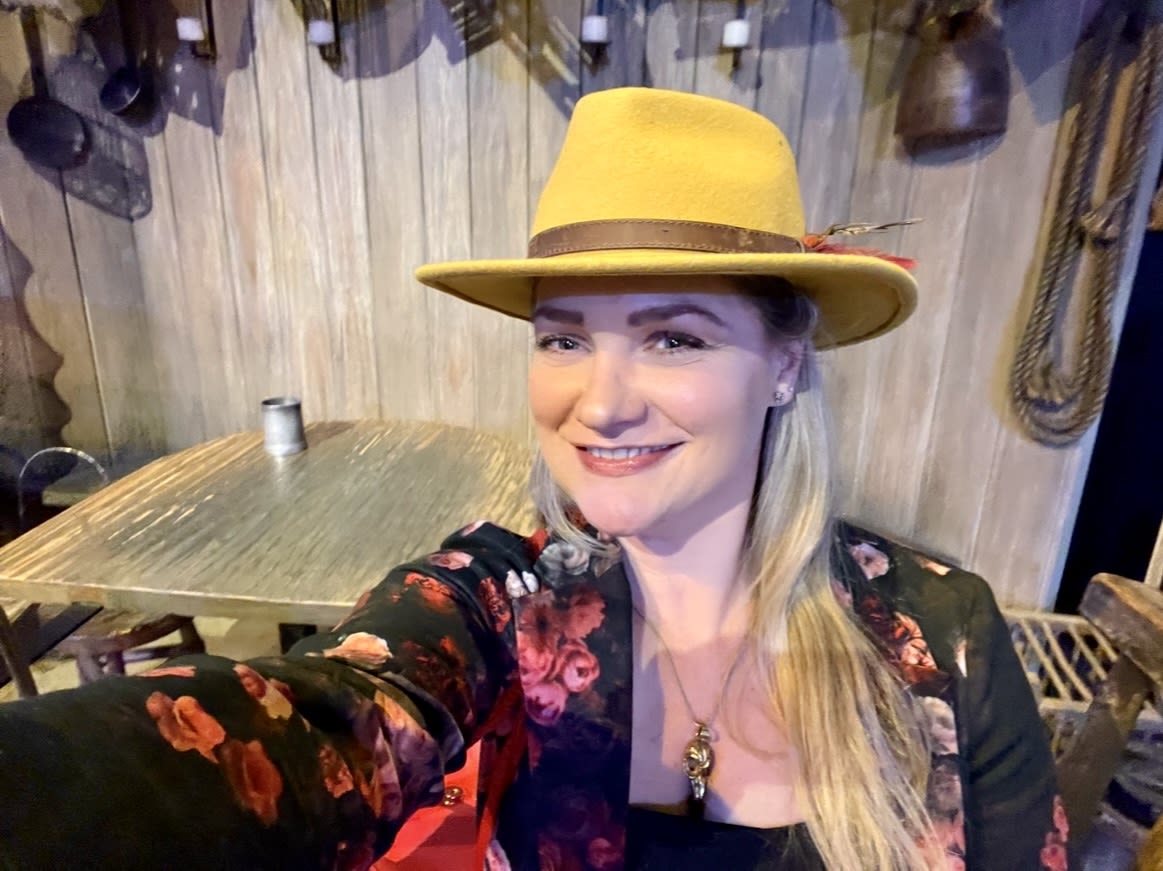
Anna Marie Trzebinski
Anna Marie Trzebinski
"Working yourself to burnout is a thankless task."

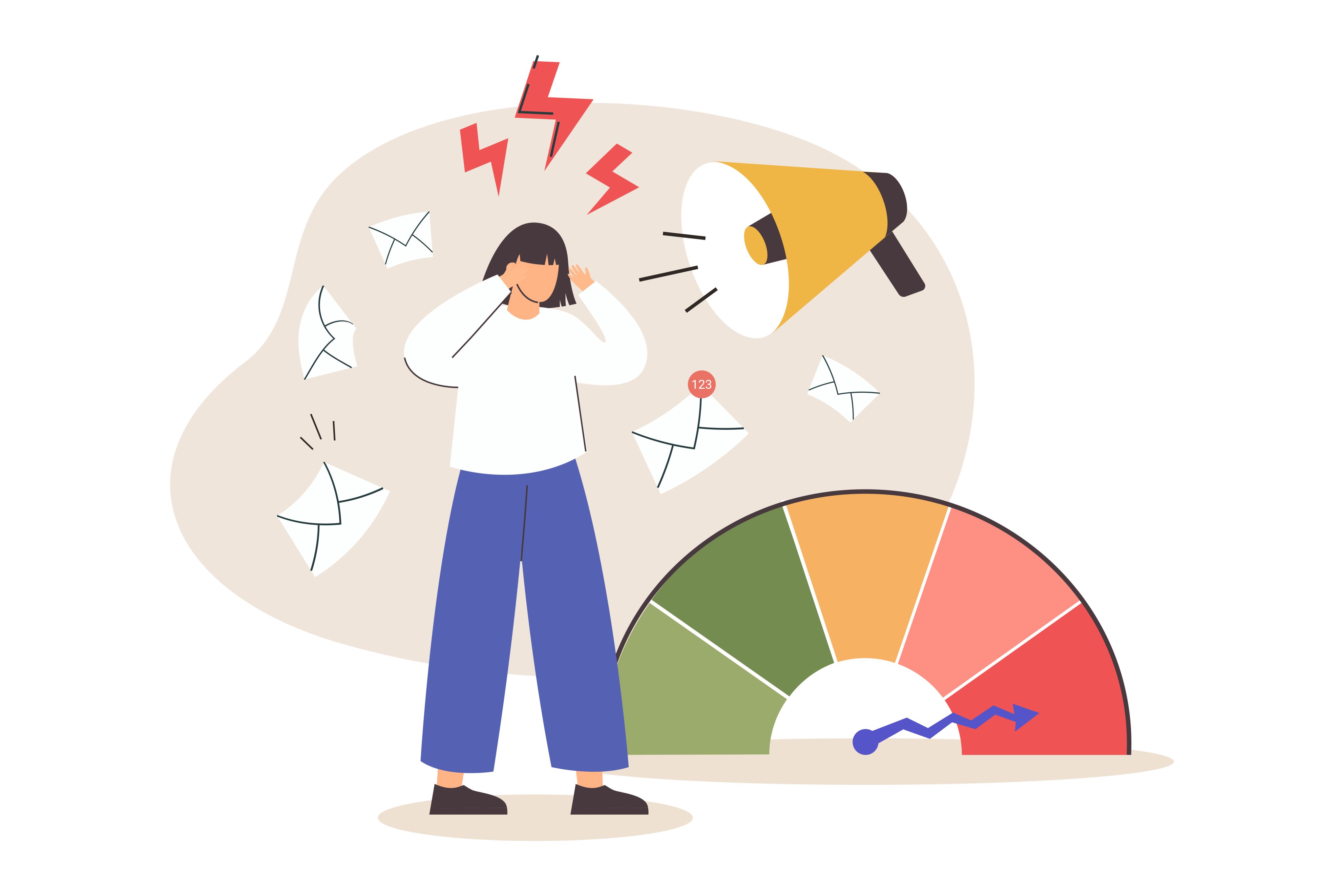
But there are ways to overcome this feeling of imposter syndrome and methods to reduce your risk of burnout.
"People in the events industry are super busy, whether it’s pitching, planning or putting out fires, there never seems to be a quiet moment, that’s why you have to create those moments," says Trzebinski.
"There are so many simple things we can do to keep on top of stress and burnout, such as keeping hydrated, containing your work to an office space, taking allotted breaks and creating a culture where it’s okay to take breaks.
"Burn out and imposter syndrome are so interwoven, they feed each other. But taking a break can make all the difference in dealing with them."
Trzebinski means a ‘proper break’. "A break from work, from technology, from everyday chores.
"Working yourself to burnout is a thankless task."


What are some common triggers for imposter syndrome in event professionals, and how can they be mitigated?
"You have to analyse why you’re feeling like an imposter or why you’re feeling burnt out.
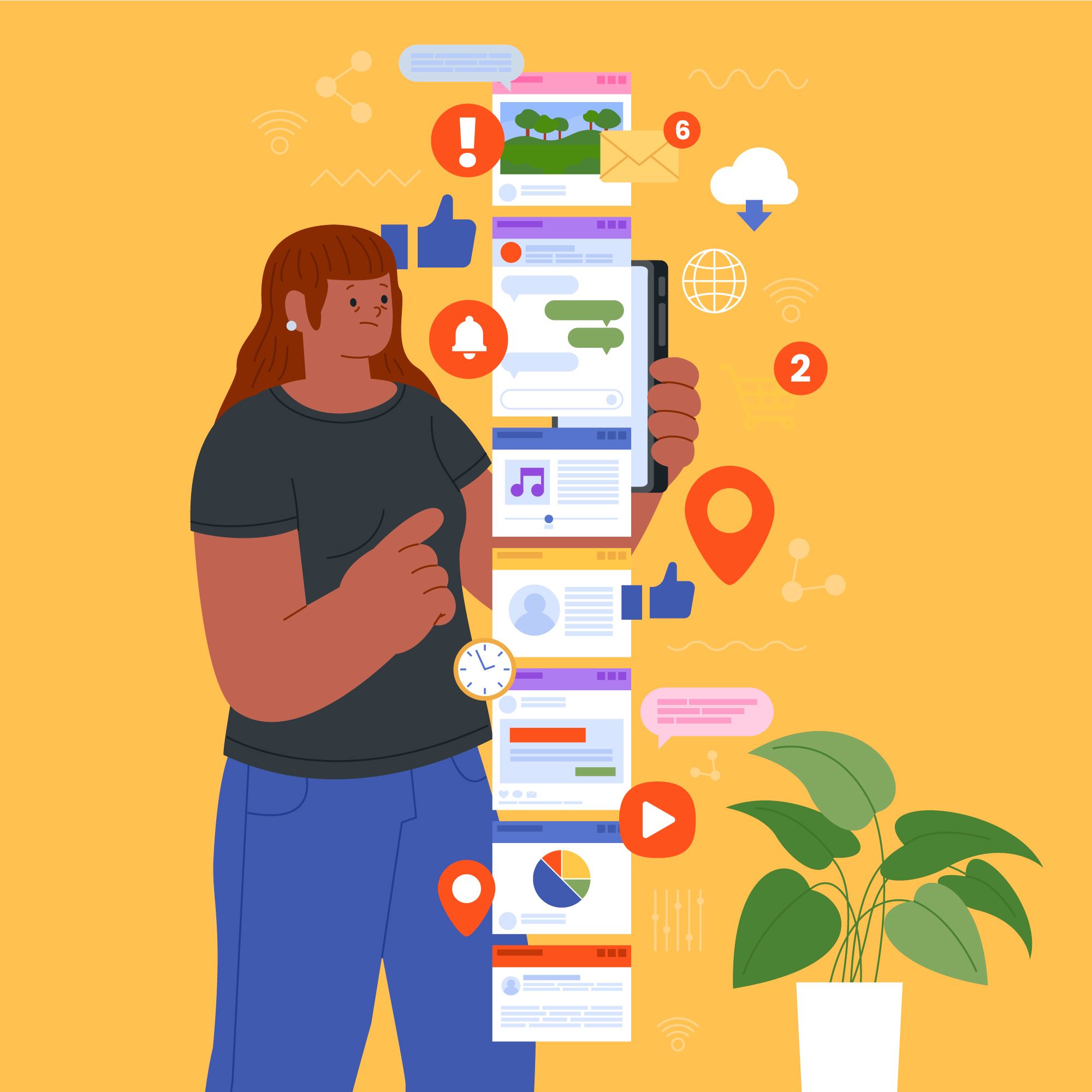
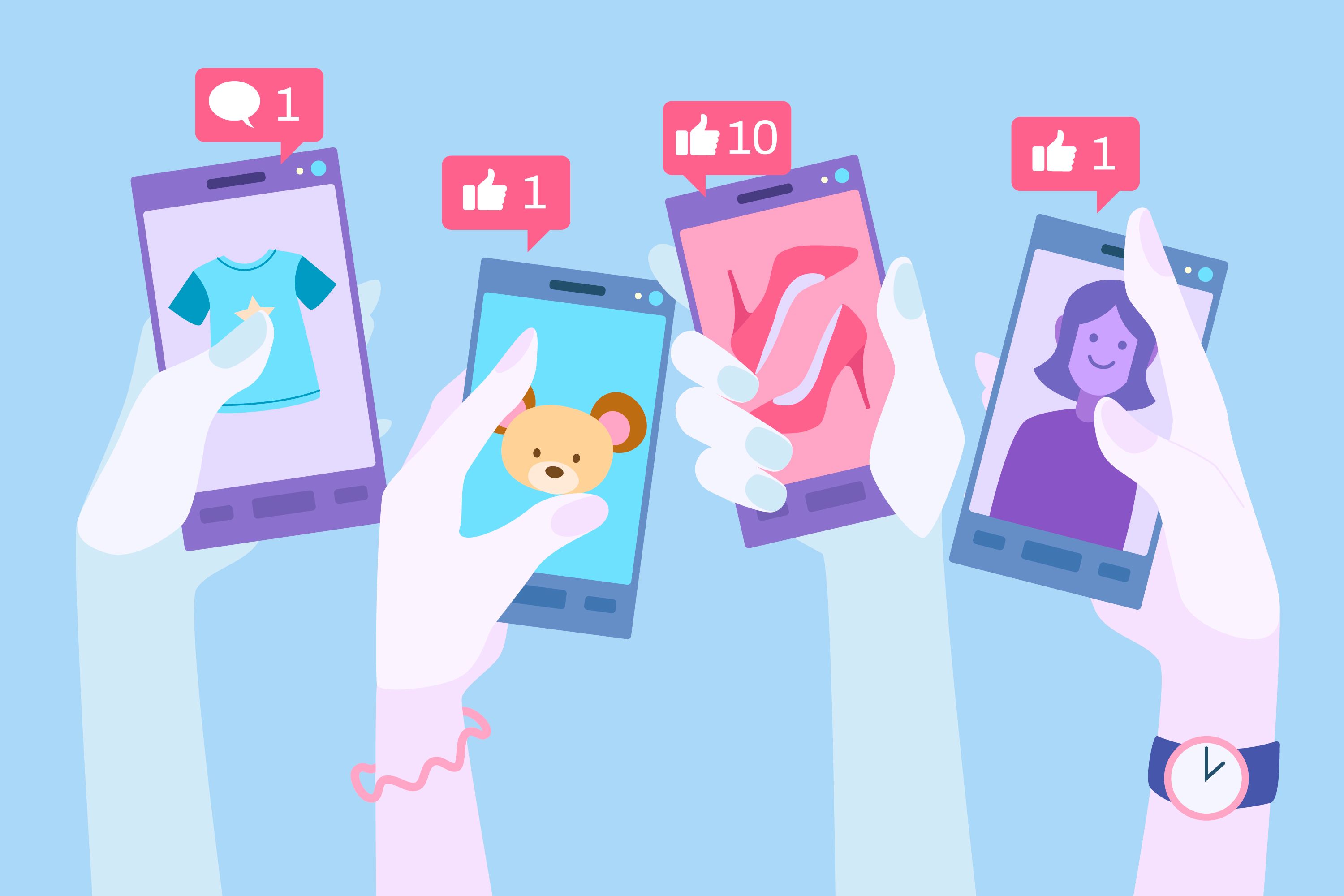
"My analysis is that technology is a massive contributor to burnout and imposter syndrome. Technology can be a great tool to achieve tasks, but there is information everywhere. Social media is helpful, but also a hindrance. It’s a great way to get your profile out there and build a brand, but it’s impossible to not compare yourself to what others are doing."
If you must use social media for work, how can you lessen its impact on your mental health?
"Try to implement time limits for scrolling on social media and try to mix up your intake of media, include news articles, podcasts, videos – don’t just scroll," adds Trzebinski.


We seem to put a lot of responsibility on ourselves to overcome imposter syndrome and avoid burnout.
Yet surely leaders in an organisation have a responsibility to create supportive, encouraging, and safe environments to alleviate burnout?
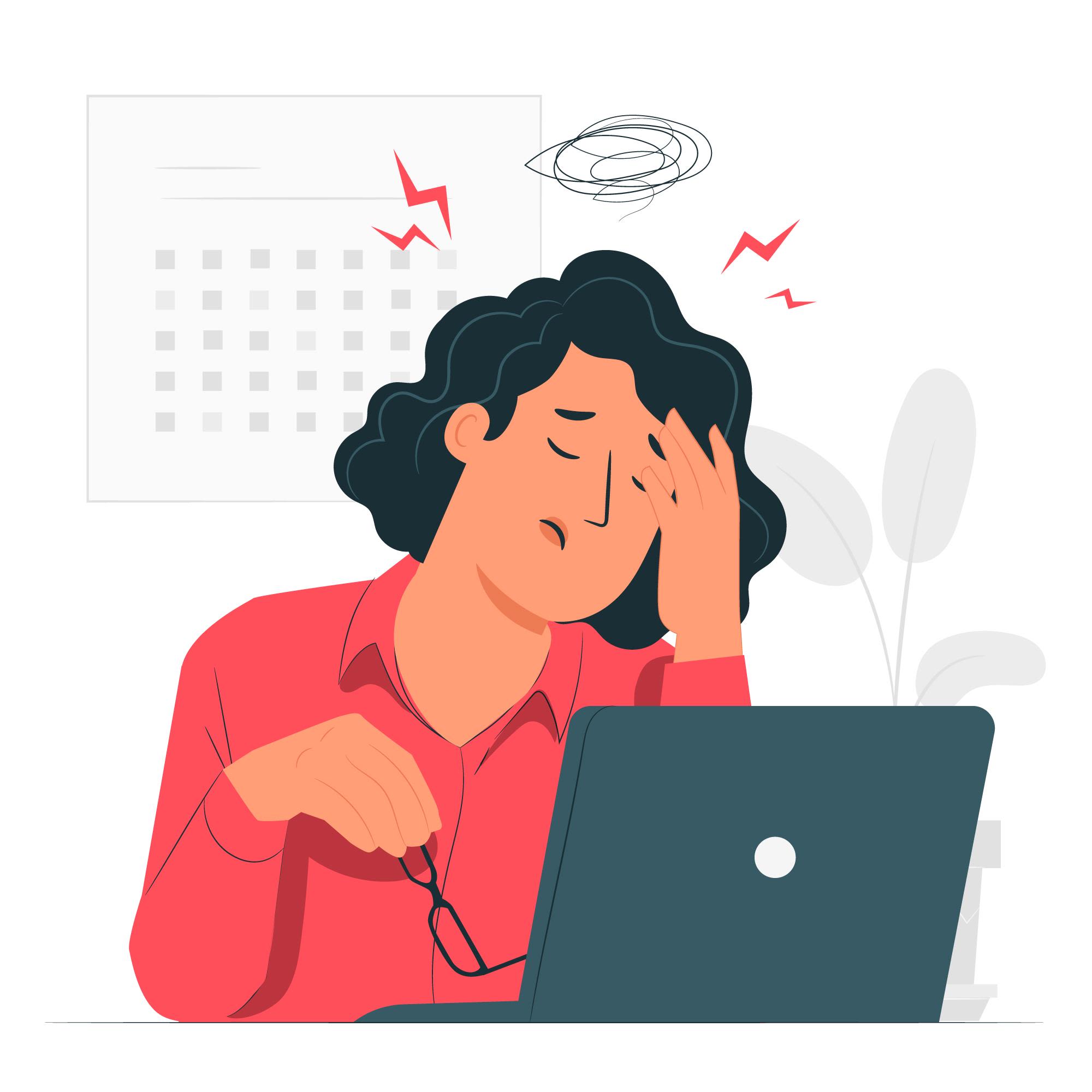
According to a study by Gallup, burnt-out employees are 63 per cent more likely to take a sick day and more than twice as likely to be actively seeking a new job. Another report by Deloitte found that 77 per cent of employees have experienced burnout in their current job, with more than half citing poor management as the primary contributor.
Trzebinski urges event professionals not to get addicted to the stress of the events industry but instead acknowledge that "stress is often part of the process of putting together a fantastic event."
She explains that the events industry is currently changing its proposition to be more attractive for younger professionals, "but we owe new recruits honesty and shouldn't sell them something the industry isn’t.
"This is not a 9-to-5 job, there’s always additional things that come up, often close to the event in high-stress situations. But leaders can do several things to help recruits feel comfortable, secure and rewarded in their roles, such as adequate training and providing time in lieu.
"If we’re telling them ‘the events industry is stressful and long hours are expected’ then we also need to be telling them how we will help them through it. We need to be telling them that there’s travel involved in the role, amazing events to attend, flexible working hours, overtime pay or time in lieu.
"We have to be transparent both ways."

Any final words of advice for preventing burnout and imposter syndrome?
"Be authentic," Trzebinski urges.
"There’s been several times I’ve been in meetings and been made to feel like I don’t belong there, but it’s about digging deep and reassuring yourself that you’re more than worthy of being there," advises Trzebinski.
"Imposter syndrome is invisible because it’s only known when we admit it.
"If you’re constantly feeling it, better equip yourself with knowledge, and remember you can only offer the knowledge you already have."
 Built with Shorthand