
'We want to level the playing field' - Elevate NewGen takes aim at access
Paul Harvey caught up with Peter Kerwood and Evie Manuel, the people behind Elevate NewGen, to find out about their mission to provide equal access to the events industry for underrepresented talent aged 18-25.
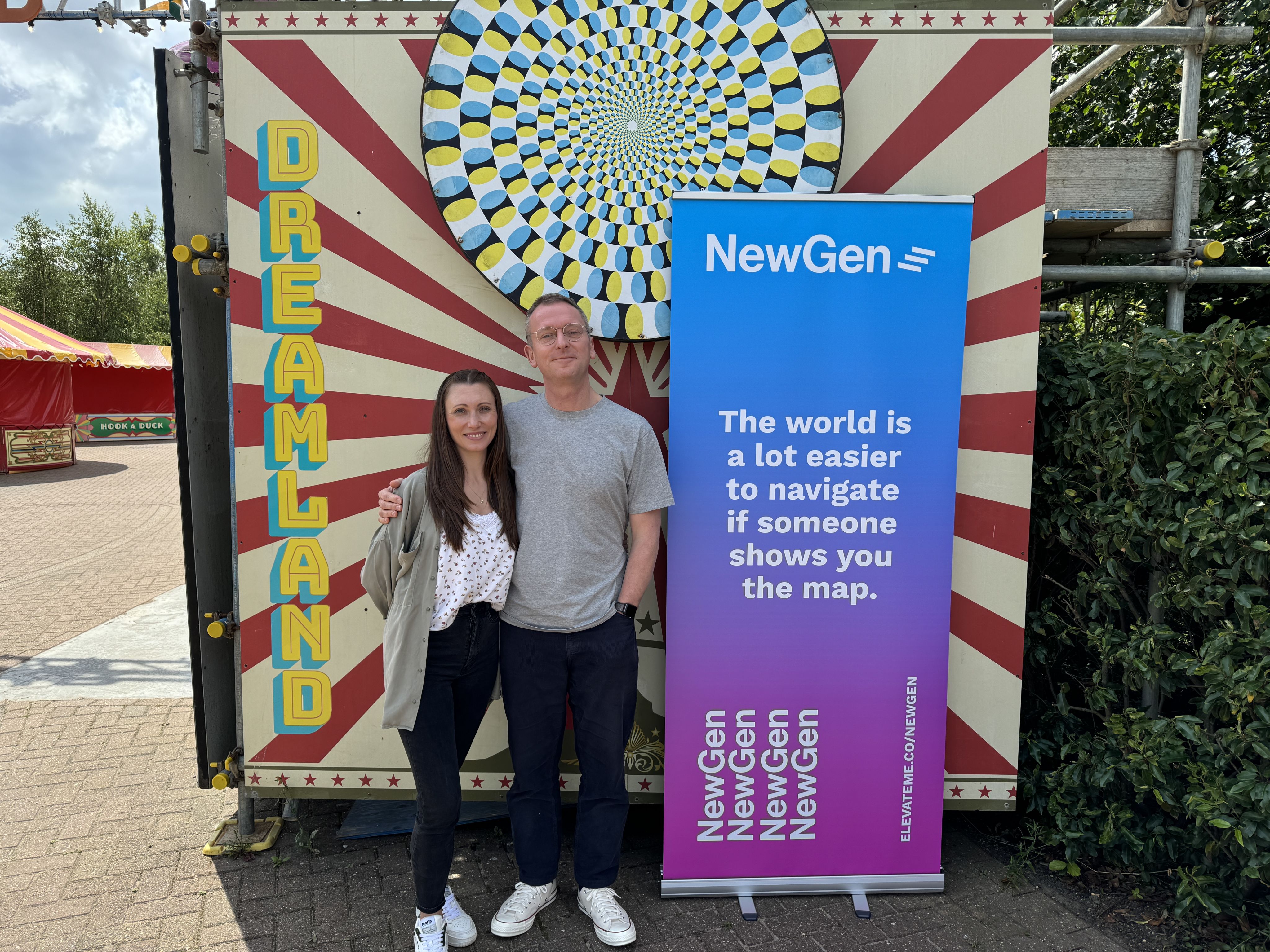


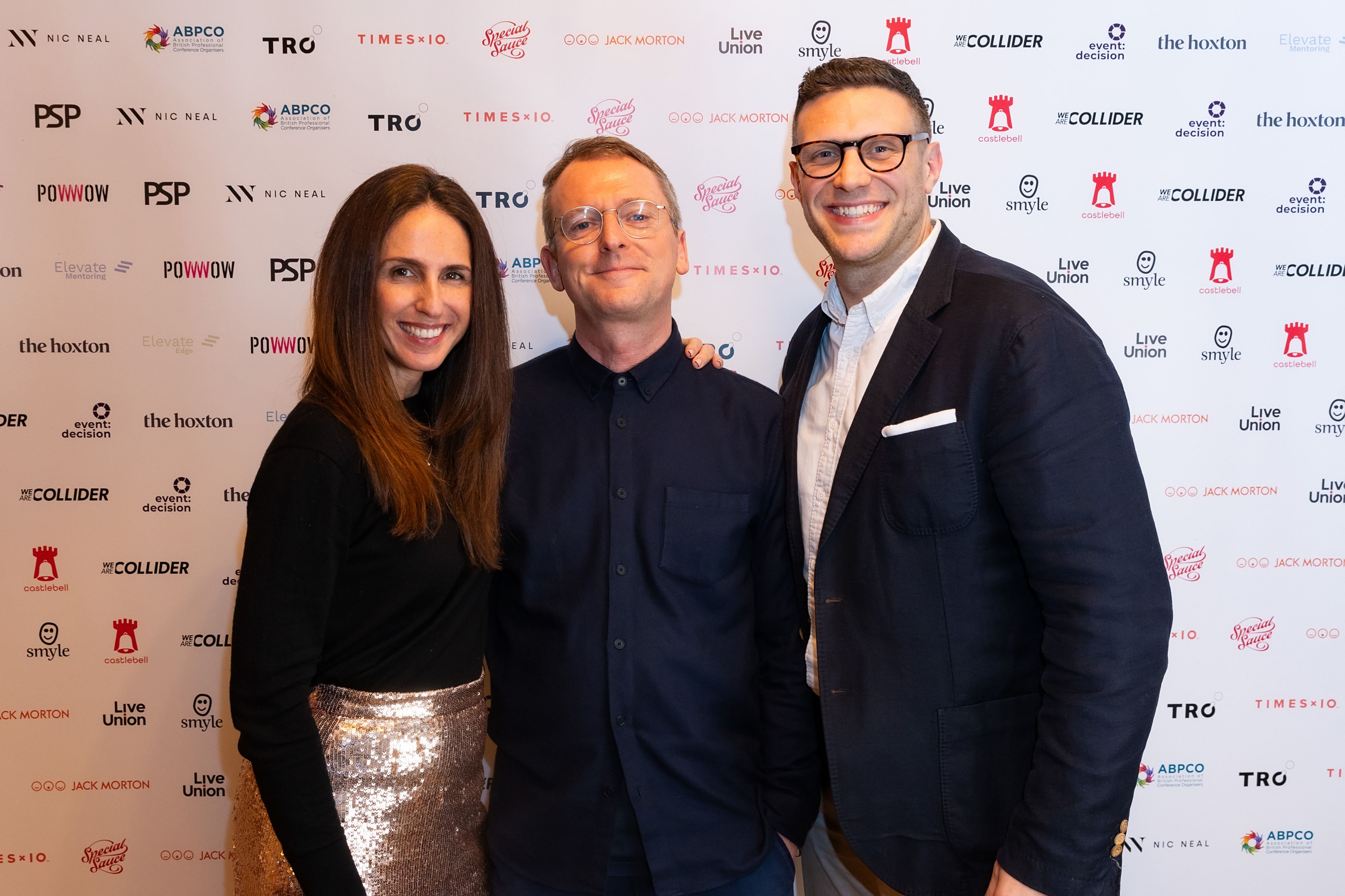
Elevate NewGen, the new mentoring and training programme launched in July by Peter Kerwood and Evie Manuel, is on a mission to make a positive impact on the lives of young people.
It was born out of the Elevate Mentoring programme founded by Max Fellows and Mel Noakes, which has worked with more than 2,000 people since its launch almost 10 years ago.
Aimed at 18-25 year-olds, Elevate NewGen aims to nurture underrepresented talent and encourage young people from lower-socioeconomic backgrounds to consider a career in events. These young people at the beginning of their careers, including care experienced young people, as well as those leaving the youth justice system, often have no idea of the full breadth of the creative events industry. Kerwood and Manuel want to change that.
"There's no one else doing anything quite like this in our sector," says Kerwood. "It’s aimed at that strange time between leaving school or university and before you go into a job, when you don't have the network to be able to find that position.
"We’ll help everyone that goes through the full three month programme into a position and provide them with as many opportunities as we can, so they can choose something that's going to fit them perfectly."
"The goal is to have more diversity," says Manuel. "We’re trying to break down barriers, because ultimately diversity benefits the industry. You get a whole perspective of people, views, creativity and input and we're all learning and growing and it helps to have diverse thinking within that."
Kerwood and Manuel both come from a working class background, and their experiences of class issues in the events industry have fed into their work on Elevate NewGen.
"I don't want to say the industry's classist," says Kerwood, "but there's a class issue depending on which part of the industry you're in. I saw a lot of that in my early years in the industry.
"Peter and I were talking about what can we do as an industry to encourage a bit more diversity and it evolved into a conversation around all different types of areas where people are experiencing those barriers", says Manuel.


Evie Manuel
Evie Manuel
"Where NewGen assists is educating people on the fact that the events industry exists in the first place. When I first started my career I'd done one module in event management at uni and I loved it. But I didn't really know what the events industry was and I didn't have anyone in my family who were in it. I didn't know what I could be because I hadn’t experienced it.
"The biggest thing for the people on this programme is educating them about the events industry, what the opportunities could be, and then giving them the resources to be able to get into it."
Creating support structures for those who don't have them is a big driving force behind Elevate NewGen.
"I'm very dyslexic, same as Evie," says Kerwood. "At school I just thought I was stupid. I failed absolutely everything and didn't go to university, but because I had amazing parents who were constantly championing me and pushing me in the right direction, I ended up in marketing and strategy.
"I'm very keen to create champions for people that don't have people like my parents. There's plenty of those young people around, people who are coming out of the care system or the youth justice system and don't have that support network behind them."
"A lot of brilliant young people can't afford to go to university, so this is an alternative. It's a shortcut into the industry. The idea is we give people jobs at the end of it, or a paid placement or an apprenticeship."
"A lot of the time the way into industries is through your network and knowing people," adds Manuel. "So it's being able to have someone backing you, who is able to support you, give you the tools you need, and point you in the right direction to understand what you can do.
"One of the first things that we do as part of the programme is talk them through the different areas within the events industry itself, whether it's venues, catering, production or whether it's brand side, or in-house… it's educating people on all the different avenues that you could take. We’re broadening their horizons as to what the opportunities might be and then helping them to connect with people within those specific industries."


Manuel has seen first hand how current practices in the industry are a barrier to entry for some during her time at a previous company.
"We used to have placement students who would come and join us for a year as part of their university degree," she says. "We were covering their travel costs, but there weren't many rules around what you should be paying people.
"The people that were able to do a placement year with us with very minimal cost input were from a certain background - and we were eliminating a whole pool of talent by not paying them a normal salary. We didn't want people to take the placement and then put themselves into debt, so one of things we implemented was fairly paid placement railcard bursaries. We were also intentional in terms of where we were advertising, what universities we were talking to, how much we were paying people and the benefits and allowances. There are so many considerations and hopefully we’re aiming to capture those in NewGen programme."
Kerwood has had similar experiences during his time in the sector.
"I worked for one business where everyone that was doing work experience was there because of a family connection. Unfortunately most people don’t have that luxury. It is changing, but it's not changing fast enough.
"We've based this programme loosely around the Brixton Finishing School, run by an amazing woman called Ally Owen aimed at the advertising industry. She provides the training and the network and the resources and the opportunities to then push people into the advertising industry. Ultimately, it's about creating opportunities."


Photo by Priscilla Du Preez
Photo by Priscilla Du Preez
The three month programme is split into two; the first month is a taster and the last two months will be "proper work experience", according to Kerwood. "They’ll be going to agencies, production companies, going behind the scenes and seeing how events work," he says.
And when it comes to finding the right people to take part in the programme, Kerwood has been doing his homework over the last four years.
"I've got a list of 200 organisations, not necessarily in the events industry, but all trying to support young people into a career," he says. "I'm talking to an amazing charity called Oasis Restore that runs a secure school, it’s what would have previously been called a young offenders institution. They work with these young people to help them understand why they are behaving the way they are and then help them improve themselves, so that when they're released, they're able to go out and do something positive with their lives.
"We've been talking to them for a year, and the first young people coming out of that school are going to be in April next year. We’re hoping some of those young people will be part of this programme. That’s just one example."
"We’re so excited about this," adds Manuel. "The amount of work that's gone into it, especially from Peter, who's been the driving force behind this, is amazing. We've been talking about it for so long, and it's so nice to now be launching it. It's such a passion project. We're excited to get some people onto the programme so that we can hopefully help some people and see what works, get some feedback on it, and get people involved."
"I can't quite believe it's all happening," says Kerwood. "It's all very slightly terrifying."
One of the key messages is that Elevate NewGen isn't just about diversity from an ethnicity perspective, it's across the board, says Manuel.
"One of the demographics that do the least well in schools are white boys from lower income backgrounds," she says. "My mum's a teacher, and that's what they find in teaching is that young boys from those lower socioeconomic backgrounds are the trickiest because they often act up and are left to their own devices quite a lot of the time. They don't talk about their feelings and they're not given the same input as girls might be, so often they come out of school and they don't have as much direction. It's a very delicate area."
"That's exactly what happened to me," adds Kerwood. "I got to 17 and my parents helped me finally find my path, but so many young people don't have that. That’s a real problem.
"The playing field is not level - and we want to change that."
 Built with Shorthand