Putting people first in the events industry
Sarah Yeats, MD of Sledge, on why a people-first approach is so important for sustainability, inclusivity and employee wellbeing.
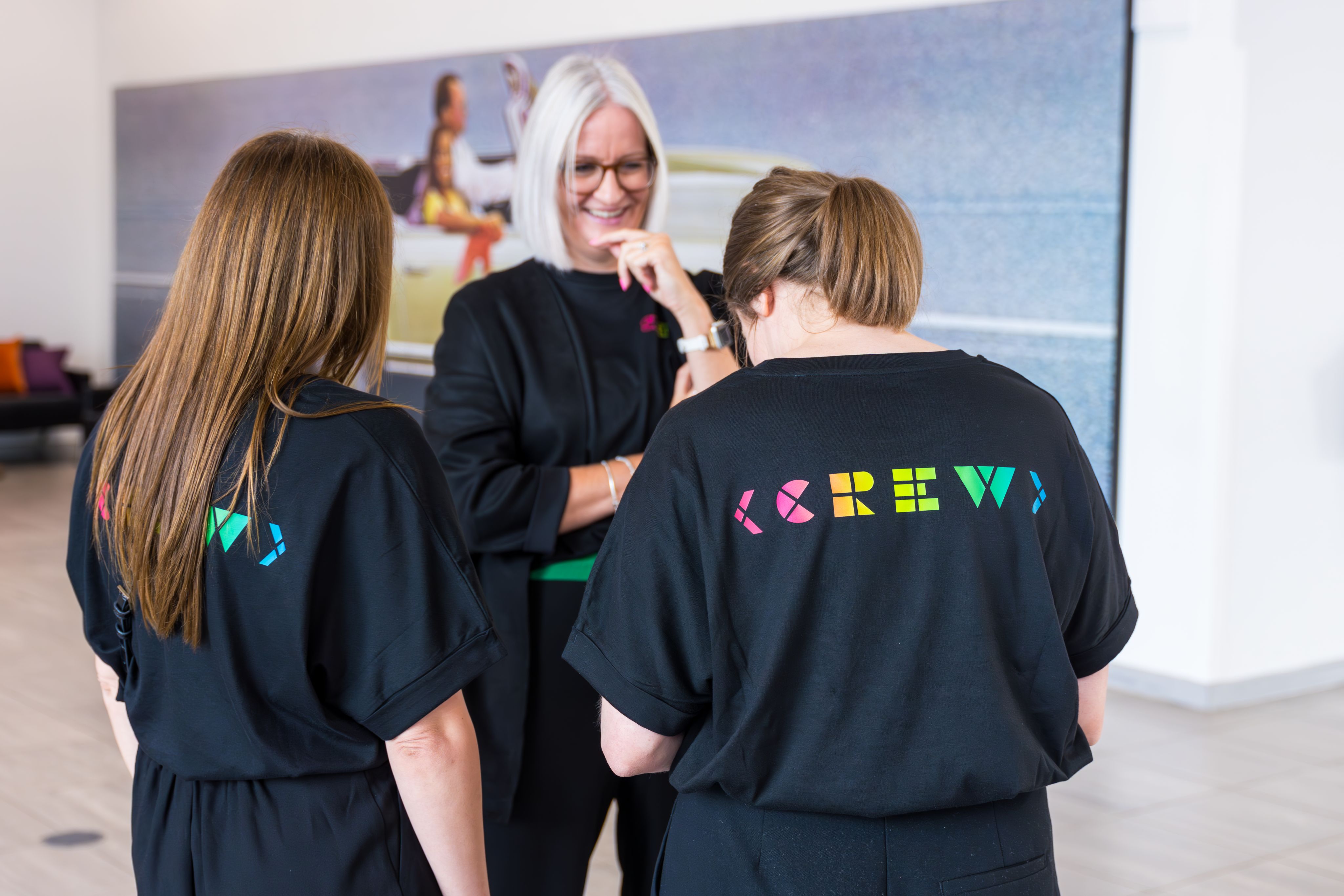

As a business, people have always been at the heart of everything we do. Employees are the lifeblood of any industry, and without them the events sector would not have grown as successfully as it has.
Since transitioning to an Employee Owned Trust in 2022, Sledge’s people focus has only developed further, as we embed sustainability practice throughout the business. For us, an essential part of the transition has been to evolve our structure, ensuring that our people’s goals are aligned, and that we’re providing them with the right tools, systems and frameworks to truly succeed.




The growth of people-first
A decade ago, planners and clients tended to focus almost solely on the end product. Were the audience wowed by the special guests? Was the venue memorable and perfectly decorated? In the rush to deliver fantastic experiences for guests, the needs of organisers could sometimes be forgotten. While in the short-term this adrenalin-based work ethic could generate good results, a tough and thankless environment leads to high-stress, burn out and decreased employee satisfaction. We’ve since seen a significant shift away from this mindset, and we’re delighted to see the positive impacts it’s having. People-first policies and innovations don’t need to be exclusive to Employee Owned Trusts, and the wider focus on employee happiness is benefitting not just individual business, but the industry as a whole.
The mental health shift
In 2020, the pandemic put mental health under a spotlight, and the upheaval caused many people to question how they were engaging with their careers.
Meanwhile social media has brought wellbeing to the forefront of conversations, with Generation Z seeking a focus on work/life balance, as well as diversity and inclusion in the workplace. Their approach to their careers, which is more value-driven than previous generations, is inspiring people of all ages to seek balance in their lives.
Fast forward almost five years, and it’s clear that businesses are keener than ever to put their people first, as they strive to build purpose and meaning. But in an industry driven by deadlines, tight schedules and fast-paced demands, it’s not always easy to start making changes to established ways of working.
At Sledge we start by communicating with our people at all times, to find out what will have the biggest impact on them, and how we can better manage workloads around their needs.
One easy solution is the introduction of lieu days when people work overtime at events, to ensure a better balance of time. We all have quiet periods after the storm, so it’s important to value those and encourage people to take down time and recuperate. Some people find tools like mental health apps can be useful as well, encouraging them to take mindfulness breaks during the day and check-in with themselves when things are busy.
Another way to engage with people is by offering bonus days off that are personal to the individual, such as birthdays, mental health days or early finishes on special occasions like Valentine’s Day. And while some people argue that full-time office work is essential for productivity, at Sledge we’ve seen the opposite is true. Through a balance of home and office working, we’ve witnessed our people grow more rapidly, in an environment they feel comfortable in. With our goals aligned and a shared vision for the company, we know that we can trust each other to deliver the best work possible, no matter where we’re based.
Growth and development
Ring-fencing time for people’s personal lives and ensuring flexibility isn’t the only way to ensure employee satisfaction. People also want to feel like they’re involved with a company, and that there’s a long-term future set out for their growth and development.
For some that might mean staying at the same firm, for others opportunities might lie elsewhere. That’s one of the reasons we support external coaching services, so that people feel they have a safe space to truly work out what’s the best long-term route for them, and how they see that evolving.
It also offers an opportunity to identify people’s learning styles, so that we can put in place appropriate development tools- which may look slightly different for everyone. Personalised learning not only increases employee satisfaction and retention rates for businesses, it improves performance, leading to better business outcomes.

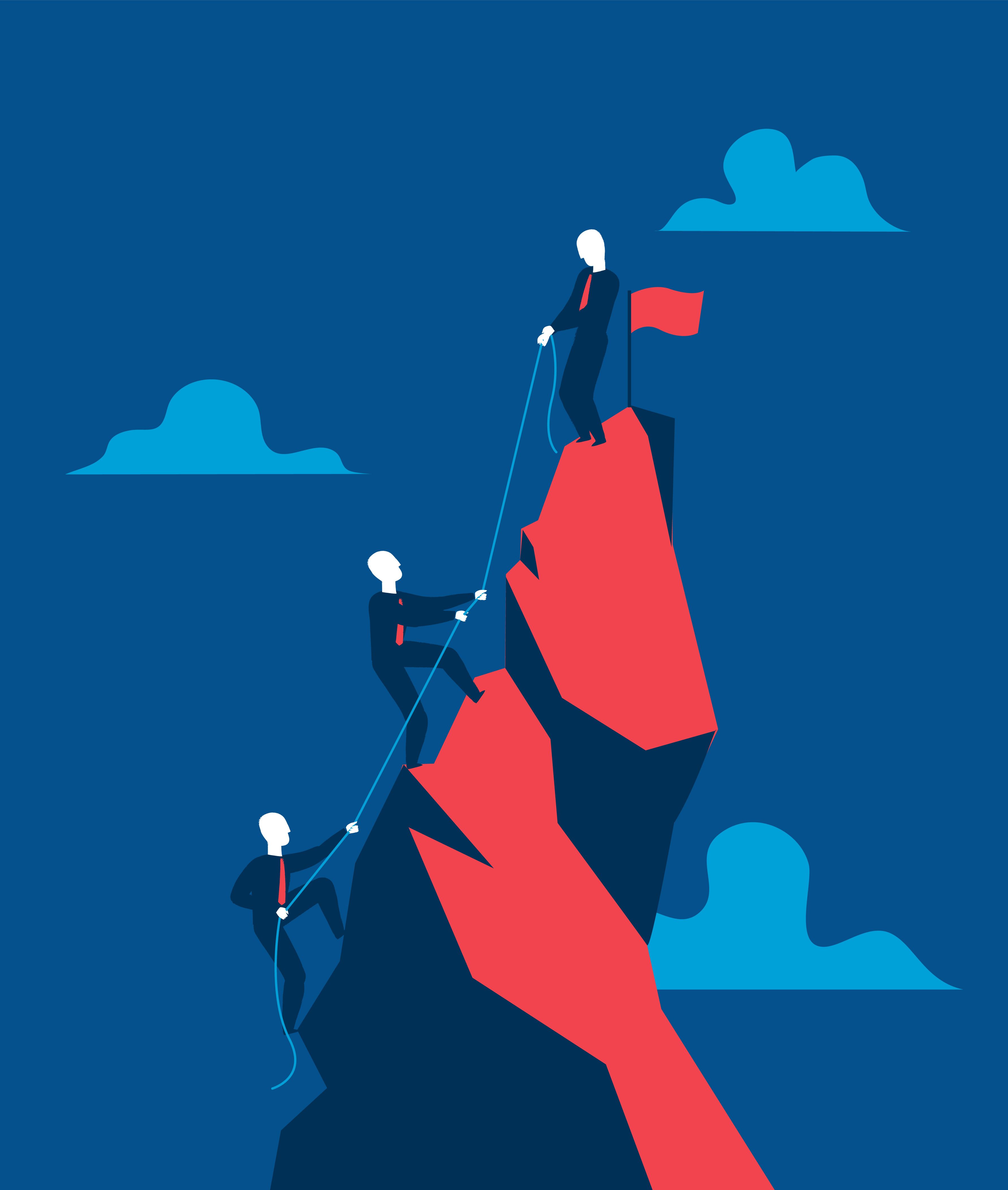
Since becoming an Employee Owned Trust, we’ve also supported our people to follow their own passions, targeting clients whose values personally resonate with them. For some of our people that means building connections with start-up businesses, for others it’s a focus on charities or those with strong sustainability policies. No matter our job title, seniority level, or length of tenure with the business, we all have a responsibility towards our targets, and share an overall vision for the company’s future. But allowing flexibility for people to identify personal areas of interest only increases our chances of success.
As we continue to adapt to a post-pandemic world, the focus on employee wellbeing will only continue. To work collaboratively as an industry it’s vital that we acknowledge changes that need to be made in the ways we operate, as we move towards a more inclusive future for our people.
 Built with Shorthand