

How to design a successful sustainable event in 2023
With sustainability an increasingly key element in the planning of events, how do organisers balance these concerns while creating a meaningful and memorable meeting – and keep costs down?


Small steps can add up to big changes. And, in certain destinations, event organisers are able to plan with purpose and create truly inspiring, sustainable events – if they approach the process with these goals in mind.
Having launched the Canadian Business Events Sustainability Plan, Destination Canada’s Business Events team is well placed to help and offers these steps to organising a sustainable event:
Set sustainability goals
The first step is to set actionable goals. It’s a good idea to have a dedicated team to track progress and if you’re not sure how, Canada’s many sustainability teams can offer guidance – including the sustainability-focused staff at Explore Edmonton and Destination Vancouver.

Choose the right partners and weave sustainability into supplier contracts
It is important to align with partners that can reduce your event’s impact. In Canada, where sustainability is top of mind and destinations and venues are ahead of the curve, choosing the right partner is easy.
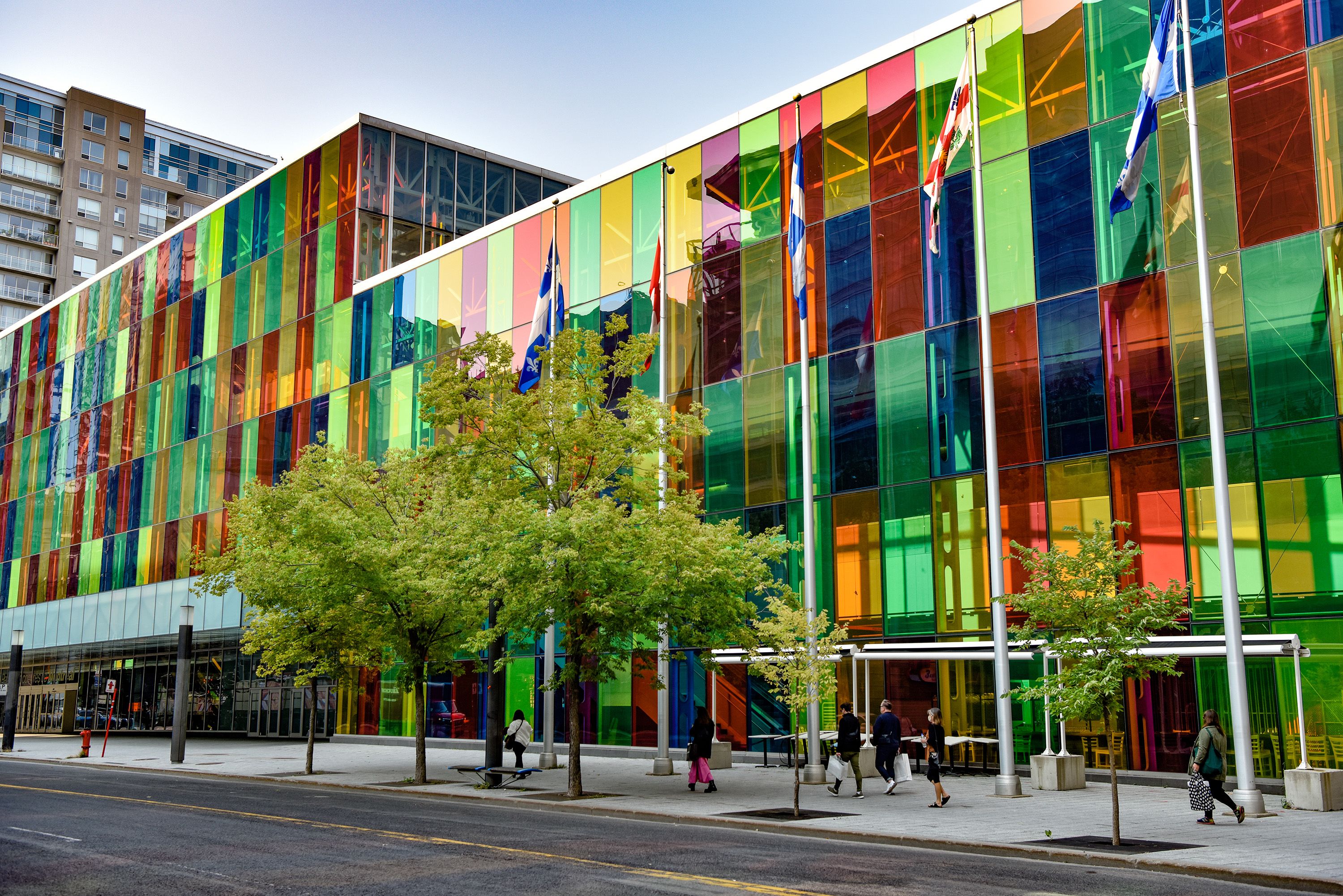
Consider using a venue with impressive sustainability initiatives in place, of which there are many in Canada. The Palais de Congrés de Montrèal, for instance, is aligned with the UN Sustainability Development Goals.


The Vancouver Convention Centre is the world’s first double LEED Platinum certified convention centre and Destination Greater Victoria was the first major DMO in North America to achieve carbon neutral designation.
Once you’ve chosen your partners and suppliers, work sustainability terms into contracts.


Go local and eliminate food waste
Using local products and suppliers, and eliminating food waste, is a great way to reduce an event’s impact on the environment and support local communities.
Throughout Canada, destinations make this easy and working with local vendors is a standard. The Halifax Convention Centre offers a menu of locally-sourced food, while the ‘Grown Right Here’ food programme in Calgary prides itself on offering an authentic western culinary experience by serving food sourced from local producers.
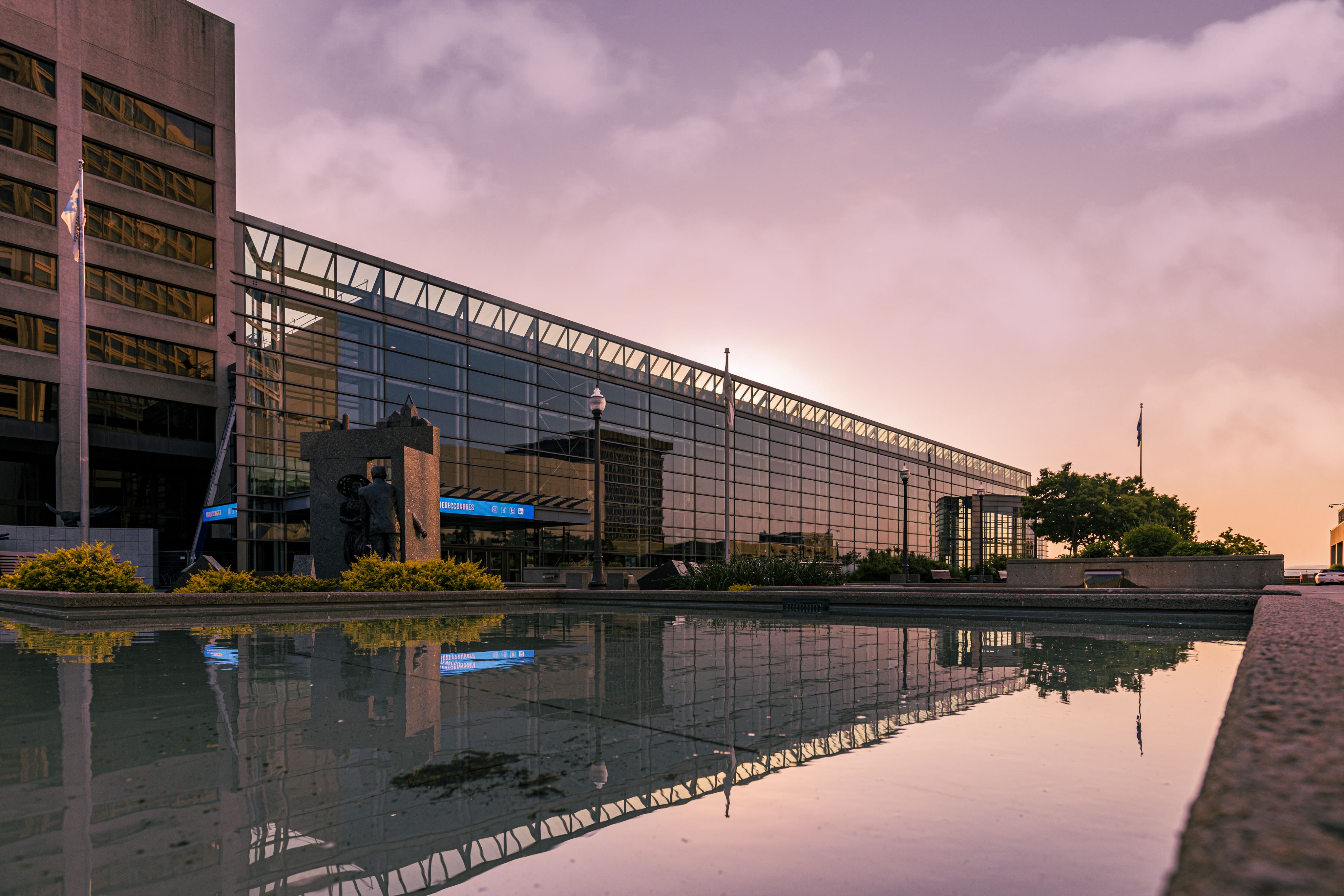
It’s also important to understand food disposal options. The Québec City Convention Centre, for instance, donates extra food to shelters and transition homes; the Shaw Centre in Ottawa works with Food Rescue, which donates leftover food to people in need, and offers events the opportunity to partner with Mealshare, a national non-profit organisation dedicated to ending youth hunger. Another example of Canada’s long-term commitment is the Metro Toronto Convention Centre (MTCC), which has diverted 90 per cent of waste away from landfills since 2014.

Calculate and lower carbon emissions
Reducing carbon emissions is another great way to improve environmental sustainability, and carbon emissions trackers are excellent tools in helping to provide an overview of impact during the planning process.
Venues and partners across Canada are taking steps to make carbon reduction more straightforward. The MTCC was the first in North America to work with Voyage Control to reduce traffic and carbon emissions during event move in/out and many venues across Canada work with Bullfrog Power to provide clean energy.
GREENsmart is an environmental stewardship initiative in place since 2004 at Toronto’s Exhibition Place. Involving everything from leading green technologies to beehives, the venue has officially signed the Net Zero Carbon Events Pledge to address climate change across the events and meetings industry.
Educate attendees
Help attendees understand the various sustainability initiatives that you have in place at the event. Take the opportunity to explain why it is important and what they can do, such as using sustainable methods for getting around, using a reusable water bottle and opting for vegetarian meal options.
Measure success and learn
Ask suppliers to gather information and provide post-event data on all the initiatives outlined in your contracts. This is an invaluable way to evaluate successes and learn from shortcomings, which can be used to inform and improve your next event.
Hosting successful sustainable events is possible by working collaboratively and choosing your partners with care. Destination Canada’s Business Events team can help put you in touch with partners who will be delighted to work with you in creating your most impactful and inspiring event yet.


For impartial insights, inspiration and introductions, contact the Destination Canada team:


Virginie De Visscher
Acting Executive Director, Business Events, Destination Canada
Destination Canada Business Events
[email protected]
Learn more about hosting sustainable events in Canada here


 Built with Shorthand