Improving the outcome for cancer
patients will be top of the agenda when international oncologists meet in Glasgow
in May.
Glasgow was able to temp the
European Society for Radiotherapy and Oncology (ESTRO) congress back to the UK for
the first time in over 10 years; testament to the strong conference ambassador
programme and the expertise of those working at the Beatson West of Scotland
Cancer Centre, the second largest oncology centre in Europe.
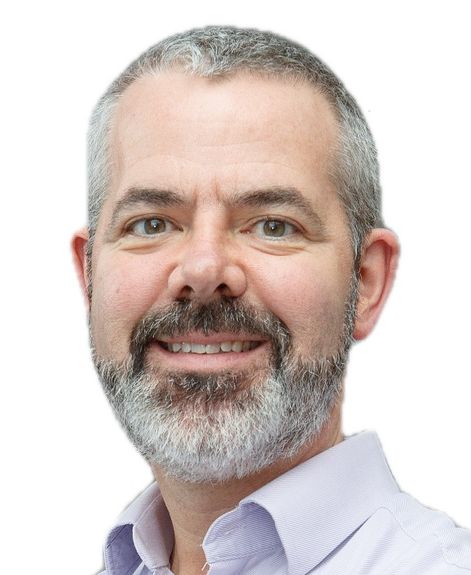 Professor Anthony Chalmers Photo Credit: Supplied
Aileen Crawford, head of Glasgow
Convention Bureau explained that more than 60 per cent of conferences taking
place in Glasgow are in the field of medical, or Life Sciences. “This is due to
the world leading research led by our local Conference Ambassadors, those such
as Professor Chalmers, who take the initiative to work with the team here at
the Convention Bureau and the Scottish Event Campus, to invite their peers to
meet in our city.”
Over the last decade, Glasgow has
established itself as a leading centre for multidisciplinary radiotherapy
research, combining laboratory science and new technologies to develop more personalised
radiotherapy treatment approaches.
"Our newly launched programme
investigates the topic of health inequalities in radiotherapy, which aligns
perfectly with the theme of the ESTRO 2024 Congress: 'Bridging the Care Gap'
and provides a unique opportunity to improve outcomes for cancer patients in
the west of Scotland,” said professor Anthony Chalmers, chair of Clinical
Oncology at the University of Glasgow.
ESTRO president and ESTRO Congress
2024 chair, dr Anna Kirby added: “ESTRO’s vision for 2030 ‘Radiation Oncology.
Optimal Health for All, Together’ emphasises the ambition of the Society to
reinforce radiation oncology as a core partner in multidisciplinary cancer care
and to guarantee accessible and high-value radiation therapy for all cancer
patients who need it.
“We are meeting in Glasgow to help
deliver the ESTRO mission; to develop and promote standards of education in
radiotherapy and clinical oncology, to promote standards of practice in
radiotherapy, clinical oncology and related subjects and stimulate the exchange
of scientific knowledge in all these related fields.”