As the UK sets its sights on attracting 50 million international visitors by 2030, a significant opportunity emerges for event organisers to grow their global footprint. Julia Danmeri, CEO of TranslateAble, shares practical strategies to move beyond accommodating international attendees and create truly engaging experiences.
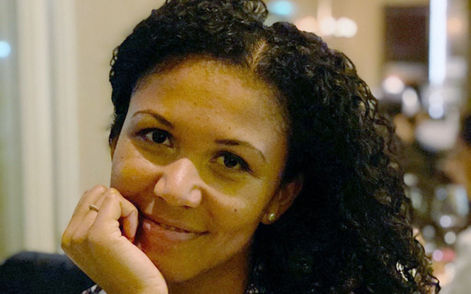 Julia Danmeri, CEO of TranslateAble
From removing cultural and language barriers to forging meaningful connections, she explores how event planners can turn global ambition into actionable growth.
This focus presents a golden opportunity for organisers of
all event sizes to align with this growth by attracting and engaging more
international attendees, exhibitors, and sponsors right here on UK soil.
While expanding international reach is already on the
roadmap for many event organisers, the challenge often lies in the usual
constraints and pressures of time and budget. These limitations can prevent
teams from implementing the strategies needed to not only welcome international
visitors but to engage them in a meaningful, lasting way with both the event
brand and its wider community.
With over 20 years of experience delivering events across
the globe, I’ve seen first-hand what it takes to move beyond simply
“accommodating” international audiences to actually making them feel seen,
welcomed, and included.
It starts with removing friction. Making it easy for
attendees to understand the event, to navigate their way and to feel supported
throughout the experience especially in business events where the aim is to
facilitate valuable connections between global buyers and suppliers. From the
outset, event organisers should implement pre-event tactics that seamlessly
translate onsite, creating a cohesive journey for international visitors.
But with this global opportunity, where and how should
organisers start?
You don’t need to cater for every nationality to start
making a difference and grow your international attendance. Instead, I
recommend taking a strategic approach, selecting one or two regions to focus on
in year one. Building international growth steadily can help foster long-term
relationships, open up new business opportunities, and allow you to build
momentum year-on-year or per event edition. Trying to accommodate everyone in
year one can be challenging on existing event budgets. Consider targeting countries
that are driving innovation in your sector, or identify key buyers you can host
as VIPs. Many destination marketing organisations and government bodies offer
support for events that align with their priority growth industries including
funding, cultural exchanges or marketing your event in their territory.
Getting advice from local experts but who also know and
understand events is also key to avoiding cultural missteps that could alienate
your potential audience. Do you know whether your international delegates
expect formal invitations? What level of hospitality is expected? These details
matter and getting them right from the start builds trust.
One of the most common misconceptions is assuming that
international delegates will understand English just because the event is in
the UK. While English is widely spoken, billions of people speak it as a second
(or third) language and many simply won’t engage if the first point of contact
(a website, social post, or email) isn’t in their native language.
A 2022 study found that the UK loses around 3.5 per cnet of its GDP
due to a lack of language skills. It also estimated that removing language
barriers with key trading partners, specifically Arabic-, Chinese-, French-,
and Spanish-speaking countries could boost UK exports by up to £19 billion a
year. At TranslateAble, we've seen first-hand how powerful this can be: event
organisers who translated their marketing and sales materials saw a 35 per cent increase in inbound commercial interest from their target regions. It’s a
simple project to undertake that can deliver big results and immediate ROI.
Other practical, impactful and low-cost steps you can take
include:
- Translating
“Know Before You Go” emails, final mile comms and welcome messages into
key languages.
- Offer
live captioning or translated subtitles for content sessions.
- Staff
information desks with multilingual team members.
- Run
tours or informal meetups in different languages to help international
guests connect and feel included.
- Providing
key buyers with access to interpreters for hosted events, giving them
extra support at pillar moments in the event programme.
And it’s worth remembering, while translation is great,
localisation is better. For example, “Spanish” is not one-size-fits-all.
Nuances exist across regions, from vocabulary to cultural references and a
partner with the right expertise can help you get it right. These details
matter to attendees and enhance their event experience.
The potential to grow your event’s international audience is
vast but it starts with intention and success is in the details. Identify your
priority markets, build a strategy and take simple, scalable actions from year
one. Start small, test what works and measure success to build a business case
to grow to fund your event programme’s international outreach
year-on-year.
The world is ready to come to the UK. The question is, will
your event be ready to welcome it?